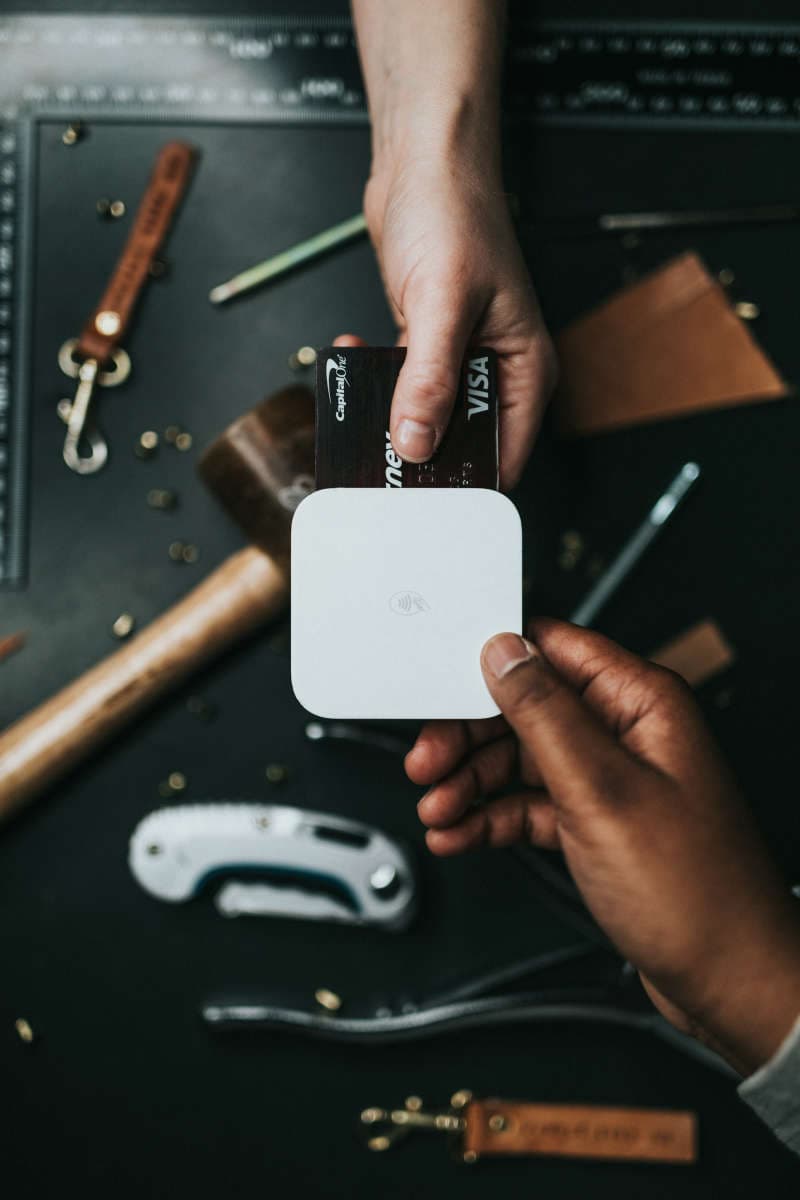
Photo by Carlos Muza on Unsplash
Best eCommerce MVP Templates to Launch Faster
Best eCommerce MVP Templates to Launch Faster
Building an eCommerce store from scratch takes 6-10 weeks. Product pages, shopping cart, checkout, payments, order management, email notifications, responsive design, SEO — it adds up fast.
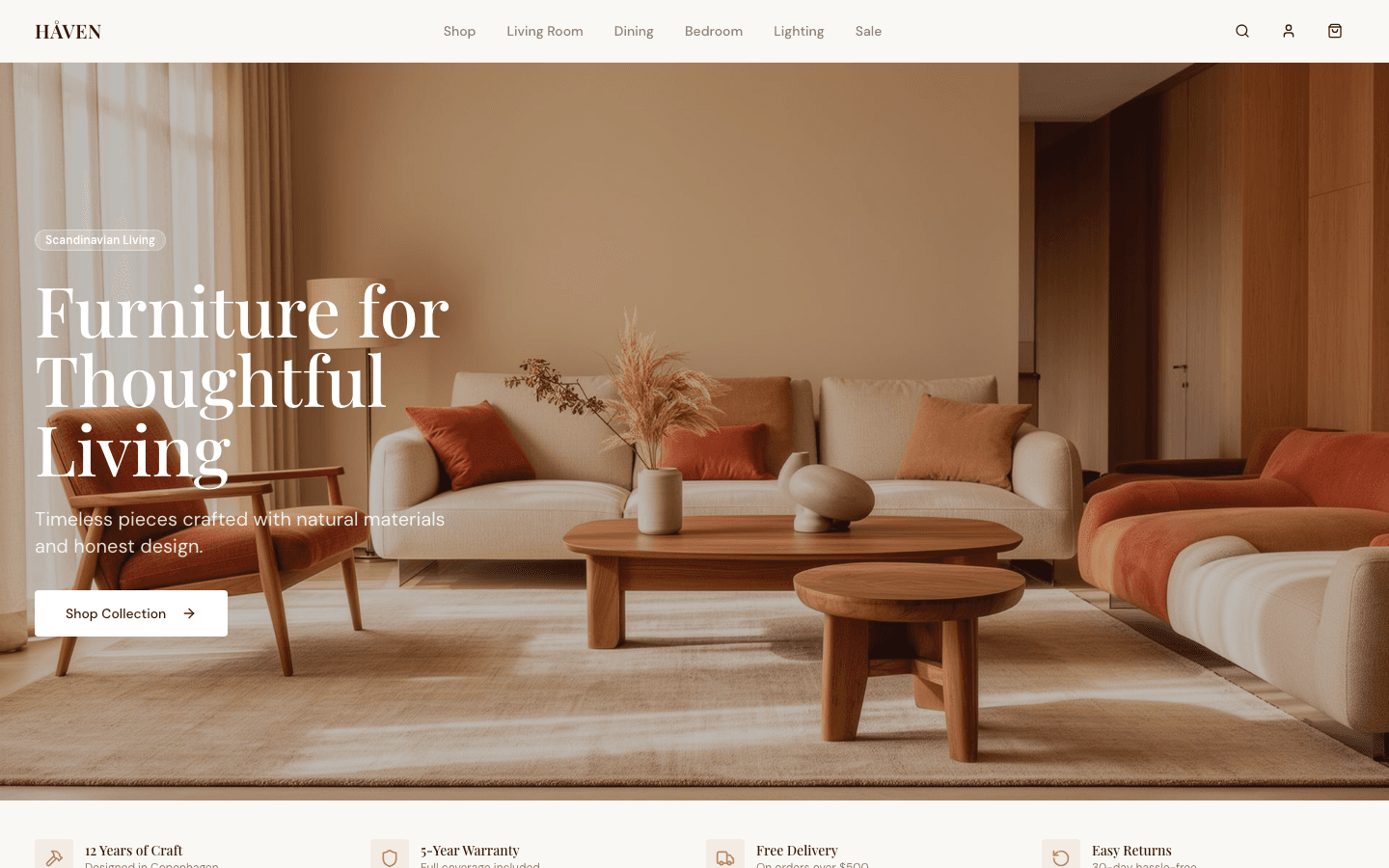
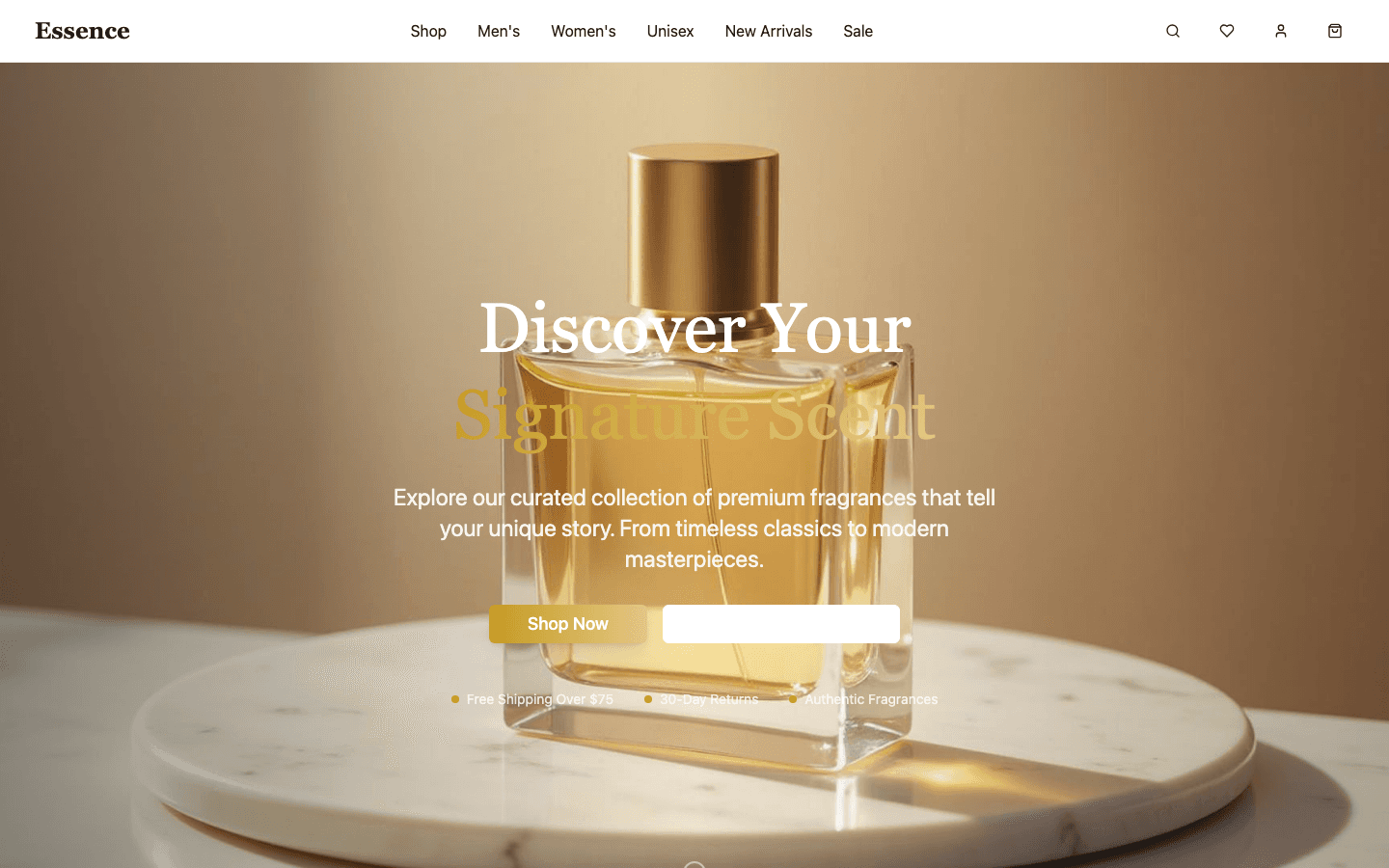
An eCommerce template cuts that to 2-4 weeks by giving you the store foundation pre-built. You customize the design, add your products, and focus on what matters: selling.
What a Good eCommerce Template Includes
Must-Have Features
| Feature | Why It Matters |
|---|---|
| Product catalog | Display products with images, pricing, and descriptions |
| Shopping cart | Add, remove, update quantities, persistent across sessions |
| Checkout flow | Address collection, order summary, payment |
| Stripe integration | Process payments securely |
| Order management | Admin view of orders with status updates |
| Responsive design | Mobile shopping is 60%+ of eCommerce traffic |
| SEO basics | Meta tags, sitemap, clean URLs |
Nice-to-Have Features
| Feature | Impact |
|---|---|
| Product variants (size, color) | Essential for apparel, accessories |
| Inventory tracking | Prevent overselling |
| Discount/coupon codes | Marketing promotions |
| Customer accounts | Order history, saved addresses |
| Email notifications | Order confirmation, shipping updates |
| Admin dashboard | Product and order management |
| Search functionality | Helps users find products |
| Image gallery per product | Better product presentation |
Types of eCommerce Templates
1. Full-Stack eCommerce Starters
Complete applications with frontend, backend, database, and admin panel.
Best for: Developers who want a complete, customizable store.
Typical stack: Next.js + Prisma + Stripe + Tailwind CSS
What you get:
- Product CRUD with admin panel
- Cart and checkout pre-built
- Stripe payments configured
- Order management system
- Email notifications
- Responsive storefront
Time saved: 4-6 weeks
2. Headless Commerce Templates
Frontend templates designed to connect to a headless commerce backend (Shopify Storefront API, Medusa, Saleor).
Best for: Teams who want custom frontends with a managed backend.
Typical stack: Next.js + Shopify Storefront API or Medusa
What you get:
- Beautiful storefront UI
- Product display components
- Cart and checkout UI
- Integration with commerce API
Time saved: 2-3 weeks (frontend only)
3. Marketplace Templates
Two-sided eCommerce where multiple sellers list products.
Best for: Building an Etsy-like or Amazon-like marketplace.
Typical stack: Next.js + Stripe Connect + Prisma
What you get:
- Seller registration and onboarding
- Product listing by sellers
- Split payments via Stripe Connect
- Buyer and seller dashboards
- Order management for both parties
Time saved: 6-8 weeks
How to Evaluate an eCommerce Template
The 5-Point Check
- Run the demo — Add a product to cart, go through checkout. Does it feel smooth?
- Check mobile — Browse the demo on your phone. Is it usable?
- Read the admin — Can you manage products and orders easily?
- Review the code — Is it TypeScript? Is the structure clean? Are components reusable?
- Test payment — Does Stripe integration include webhooks and order creation?
Red Flags
- No live demo
- Cart doesn't persist across page refreshes
- No webhook handling (just redirect-based payment)
- Missing order management admin
- No TypeScript
- Last updated over 6 months ago
- No responsive design
Green Flags
- Full Stripe integration with webhooks
- TypeScript throughout
- Clean admin panel for products and orders
- Active maintenance (recent commits)
- Good documentation with setup guide
- Real products in the demo (not just "Product 1, Product 2")
Where to Find eCommerce Templates
The best place to find and compare eCommerce templates is a curated marketplace where you can filter by features, stack, and category.
Browse eCommerce templates on MVPHub — Curated collection of eCommerce starters, store templates, and marketplace kits. Each listing includes tech stack details, feature lists, and creator information.
You can also explore:
- All apps and tools on MVPHub — Browse the full catalog
- Trending MVPs — See what builders are launching
Other Sources
- GitHub — Search "ecommerce template next.js" or "ecommerce starter"
- Vercel Templates — Official Next.js commerce templates
- Product Hunt — New eCommerce tools launch regularly
Template vs. Shopify vs. From Scratch
| Factor | Template | Shopify | From Scratch |
|---|---|---|---|
| Launch time | 2-4 weeks | 1-2 weeks | 6-10 weeks |
| Monthly cost | $0-$25 | $39-$399 | $0-$25 |
| Customization | High | Limited | Unlimited |
| Ownership | Full | Platform | Full |
| Technical skill | Medium-High | Low | High |
| Best for | Dev founders who want speed + control | Non-technical founders | Unique requirements |
Getting Started with a Template
- Pick a template that matches your stack and product type
- Clone and run locally — Should work in under 30 minutes
- Add your products — Replace demo data with real products and images
- Customize branding — Logo, colors, fonts, copy
- Configure Stripe — Add your API keys, create products in Stripe
- Test the full flow — Browse → add to cart → checkout → receive order email
- Deploy and launch — Push to production, connect domain, start selling
Total time: 2-4 weeks, compared to 6-10 weeks from scratch.
Final Thoughts
An eCommerce template is the fastest path to a custom, owned online store. You get the speed of Shopify with the flexibility and cost savings of custom development.
Pick a template that matches your product type, customize it for your brand, and start selling. You can always enhance and optimize once you have real customers and revenue.
Building your store? Read How to Build an eCommerce MVP.
Need the full checklist? See eCommerce App MVP Checklist.
Comparing options? Read Shopify vs Custom eCommerce MVP.