E-Commerce
Storefronts and selling platforms for physical or digital products, subscriptions, or POD.
Showing 11 of 11 apps

Groover Multi-Purpose Store
A fully-polished, multi-purpose e-commerce template engineered for brands that need the full feature set on day one — not a minimal starter you outgrow in a month. Groover ships with a live Medusa-backed catalog, category + collection merchandising, search with multi-facet filtering (category, collection, price, sale, stock, sort), product-detail with variant selection + image gallery + stock messaging + related products, Stripe Elements checkout with provider-aware setup panels, account dashboard with guest order lookup and authenticated order history, customer auth with login/register/logout/profile edit, wishlist with guest browser persistence and signed-in customer sync, blog list + detail, store directory, track-order page, branded 404, About/Contact/FAQ/Terms legal shell, GTM-friendly dataLayer wired into PDP/cards/wishlist/cart/checkout/search, locale + RTL foundation with persistent language switcher, PWA installability baseline, theme switching that applies before hydration and persists in both local storage and cookies, header active-route navigation with live mini-cart summary, skip-link / focus accessibility basics, app-level and route-level loading fallbacks, a recoverable error boundary, generated robots.txt and sitemap.xml, shared SEO metadata helpers, and a Playwright / Vitest / Lighthouse test harness. Every copy string lives in a typed content map so rebranding is a find-and-replace pass, not a code rewrite. Deploy it as-is or use it as the most complete starting point you can buy for a serious storefront.
by Sam G
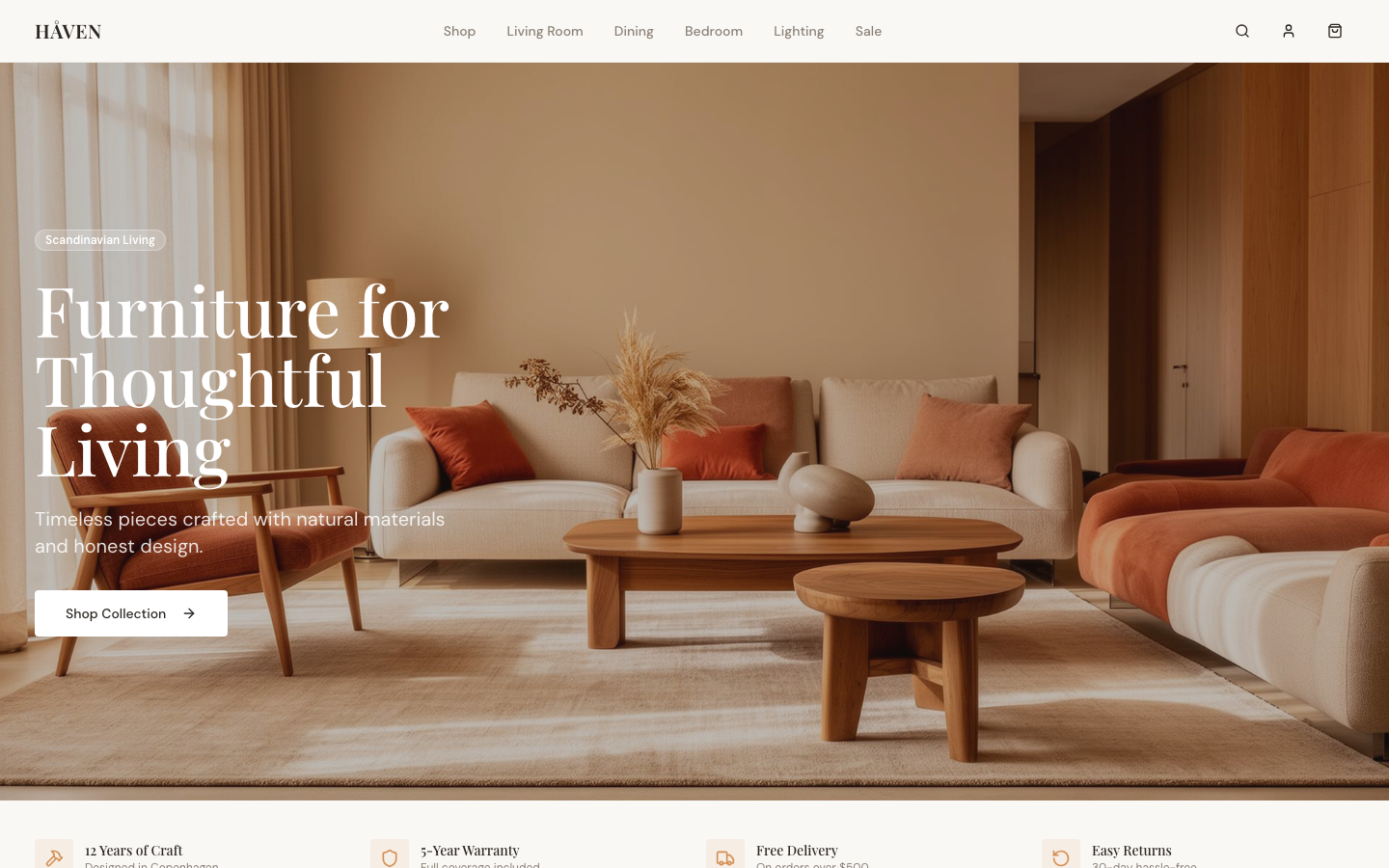
Furniture Store
An elegant furniture and home furnishing e-commerce app with a design-forward Next.js storefront for SEO-optimized product pages and server-rendered category browsing. Alternative framework and mobile ports are available on demand. The visual design emphasizes large product imagery, room-based browsing, and material/color variant selection. Built with Radix UI, shadcn/ui, Tailwind CSS, and Framer Motion for a premium feel. Connects to any headless commerce backend — Medusa JS SDK integration is included. Form handling via React Hook Form with Zod validation ensures robust checkout and account flows. Great for furniture brands, interior design shops, or home decor marketplaces.
by Karl Brandt

Perfume Store
A luxury-styled perfume and fragrance e-commerce app built for premium brand presentation. The ready-to-buy Next.js storefront features rich product pages with scent profiles, bottle size variants, gift set options, and server-rendered collections. Mobile, backend, and alternative framework ports are available on demand. The design uses shadcn/ui and Tailwind CSS with an elegant, minimalist aesthetic suited for luxury goods. Easy to customize — swap product data, update branding, and deploy. Perfect for perfume brands, fragrance boutiques, or niche scent marketplaces.
by Marta Voss
Plant Pot Store
A stylish Next.js e-commerce app specializing in plant pots, planters, and plant stands, with server-rendered product pages for SEO. Alternative framework and mobile ports are available on demand. Features size and color variant selection, material-based filtering (ceramic, terracotta, concrete, wood), and curated collections. The UI uses shadcn/ui and Tailwind CSS with Framer Motion animations for smooth product transitions. Connects to any headless commerce backend — Medusa JS SDK is integrated in the storefront. Easy to maintain and extend — the component architecture is modular, and the API layer is abstracted for quick backend swaps. Perfect for home decor brands, plant accessory shops, or artisan pottery stores.
by Karl Brandt

Beauty Products Store
A modern, full-featured beauty and cosmetics e-commerce application built around a server-rendered Next.js storefront with SEO optimization. Alternative framework and mobile ports are available on demand. Connects seamlessly to a headless e-commerce backend such as Medusa, Shopify, or a custom API. Features product browsing with category filters, search, cart management, Stripe checkout, user authentication, and order tracking. The UI is built with Radix UI and shadcn/ui components styled with Tailwind CSS for a polished, accessible experience. Easy to set up — clone, install dependencies, configure your backend URL, and you are live. Ideal for launching a beauty brand, skincare line, or cosmetics marketplace.
by Marta Voss
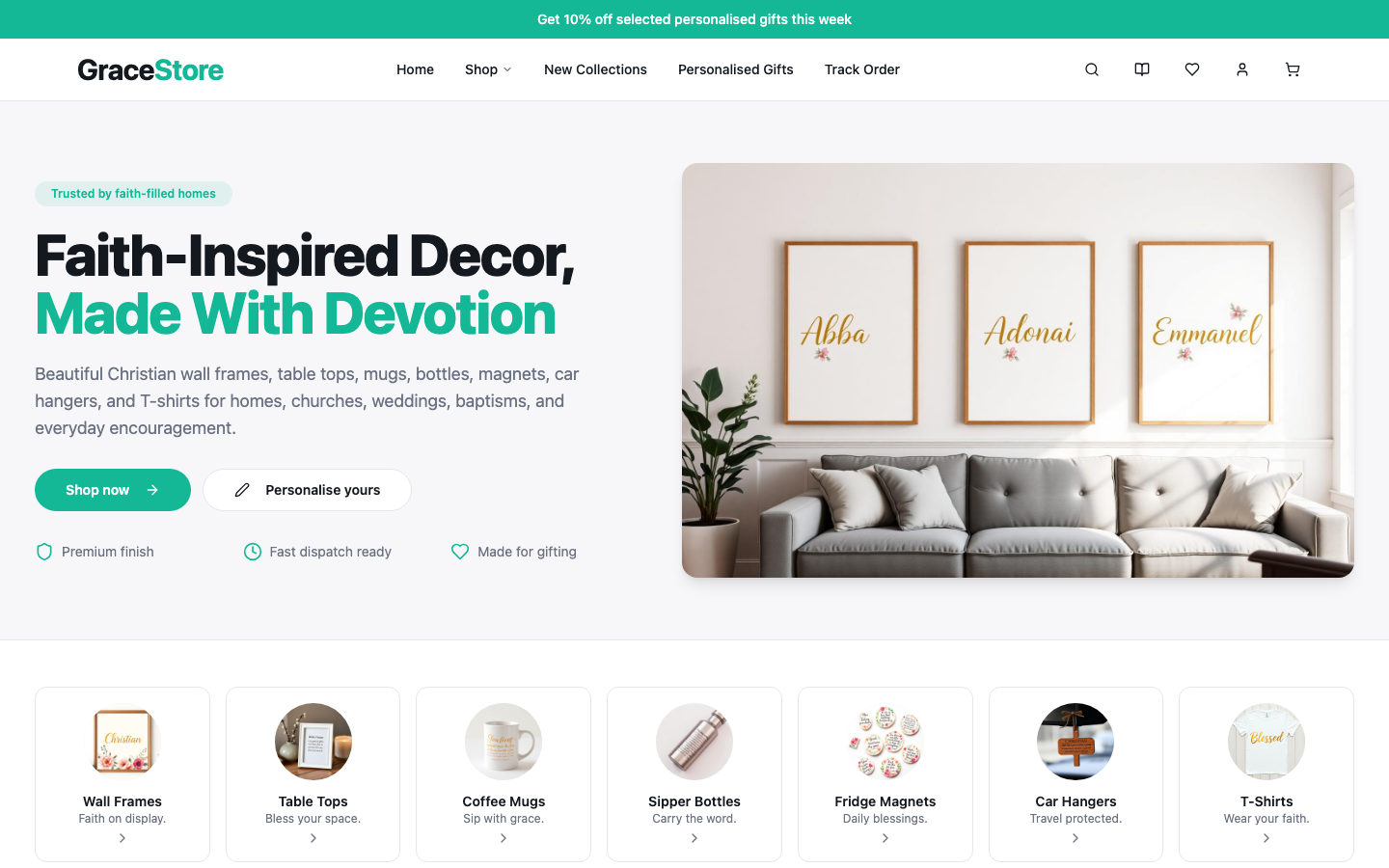
Christmas Gift Store
A festive, holiday-themed e-commerce application for selling Christmas gifts, decorations, and seasonal products. The ready-to-buy Next.js storefront provides server-rendered pages and full SEO support; mobile, backend, and alternative framework ports are available on demand. The storefront uses shadcn/ui and Tailwind CSS for a beautiful, responsive UI with holiday-ready theming, and connects to Medusa or another headless commerce API. Perfect for seasonal pop-up stores, gift shops, or holiday marketplaces that need to launch fast and look professional.
by Sam G
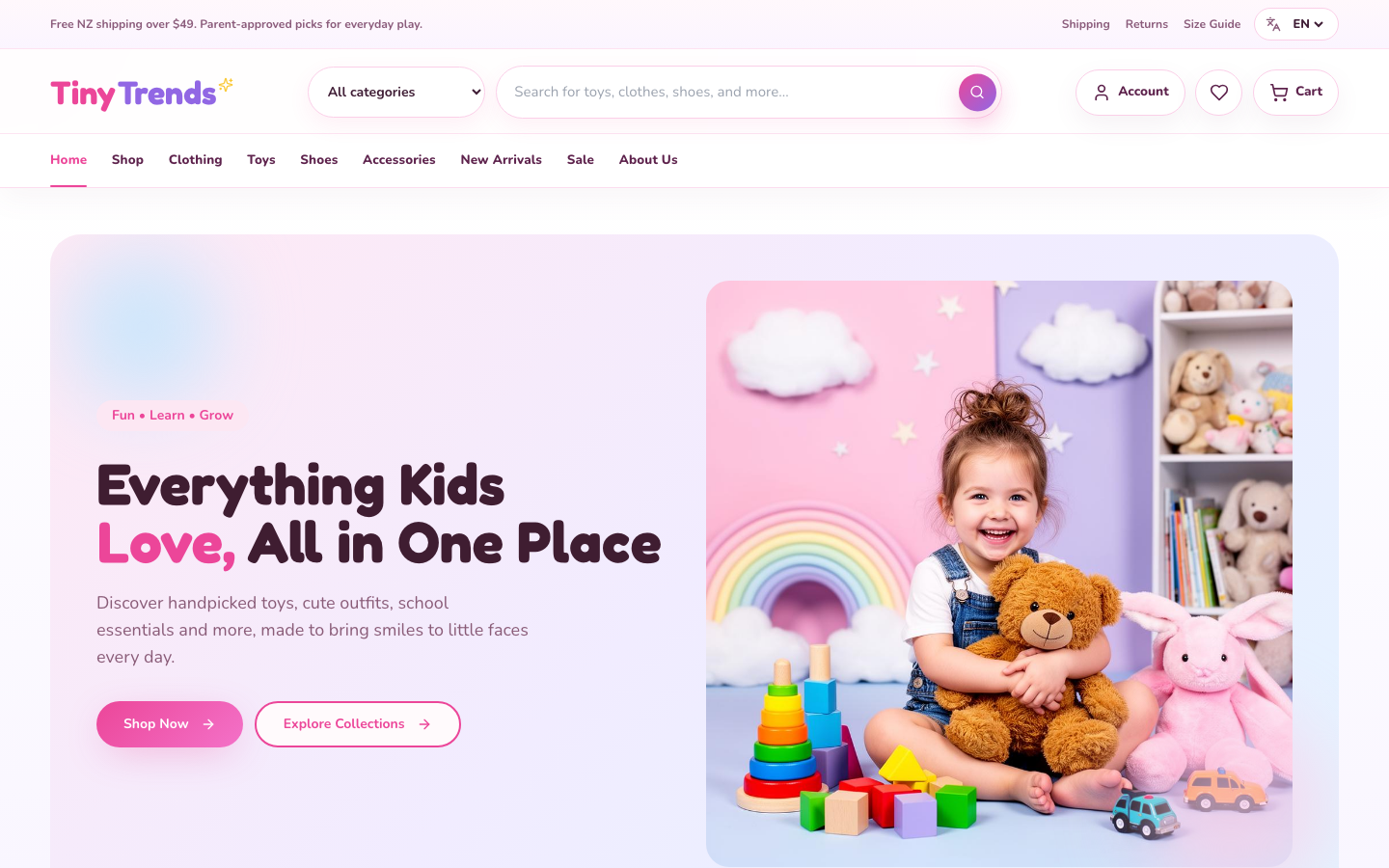
Kids Store
A playful, colorful e-commerce application for kids toys, clothing, books, and educational products. The ready-to-buy Next.js storefront provides SEO-friendly pages and fast loads; alternative framework and mobile ports are available on demand. The UI is built with shadcn/ui components and Tailwind CSS with a family-friendly design language. Supports age-group filtering, size/color variants, and category-based browsing (Toys, Clothing, Books, Educational, Baby Gear). Integrates with Medusa or any headless backend via a configurable API layer. TanStack Query handles data fetching and caching for a snappy browsing experience. Ideal for kids brands, toy stores, or baby product marketplaces.
by Sam G

Plant Store
A nature-inspired Next.js e-commerce application for indoor and outdoor plants, succulents, herbs, and plant care products. Alternative framework and commerce-platform ports are available on demand. Supports botanical product browsing with categories like Indoor Plants, Succulents, Tropical, Herbs, and Plant Care. Built with Radix UI, shadcn/ui, and Tailwind CSS for a clean, earthy aesthetic. TanStack Query manages server state with smart caching for fast category switching. The headless design connects to Medusa, Shopify, or any REST API. Includes React Hook Form with Zod validation for checkout flows. Great for plant nurseries, garden centers, or online botanical shops.
by Kira Tanaka

Plumbing Store
A professional-grade Next.js e-commerce application for plumbing supplies, fixtures, and tools, with server-side rendering for product SEO and technical spec pages. Alternative framework and mobile ports are available on demand. Features finish/size variant selection (Chrome, Brushed Nickel, PVC sizes), technical specifications display, and bulk ordering support. Built with Radix UI, shadcn/ui, and Tailwind CSS for a clean, utilitarian design. Connects to any headless commerce API — Medusa integration included. TanStack Query handles product catalog caching for responsive filtering. Ideal for plumbing supply stores, hardware shops, or B2B fixture distributors.
by Sam G
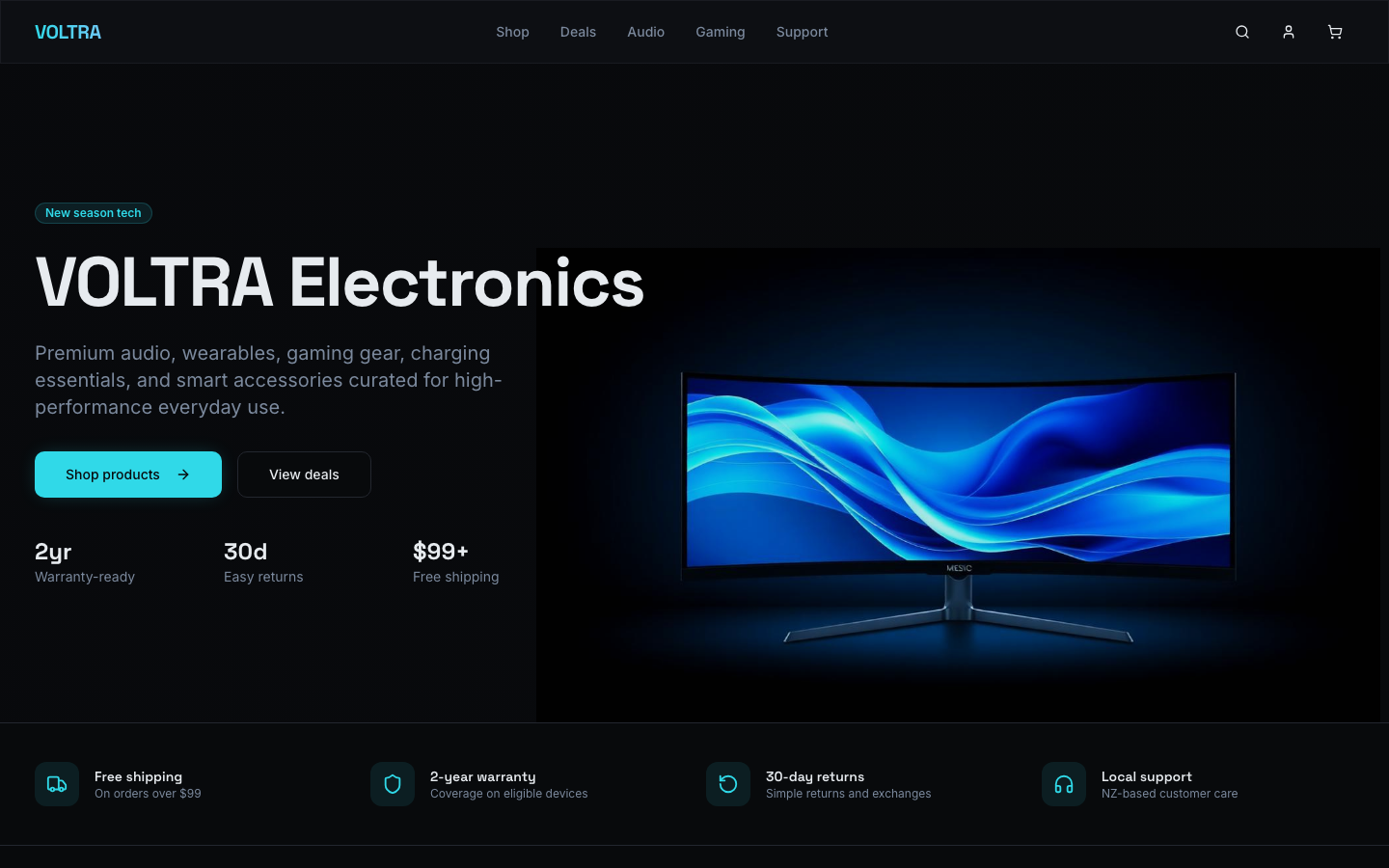
Electronics Store
A high-performance electronics and gadgets e-commerce application built around a Next.js storefront with server-side rendering for SEO and social sharing. Alternative framework and mobile ports are available on demand. Features advanced product filtering, variant selection (storage, color), comparison views, and Stripe-powered checkout. The component library is built on Radix UI and shadcn/ui with Tailwind CSS, providing a clean, modern interface suitable for consumer electronics. Backend-agnostic — works with Medusa, Saleor, or any REST/GraphQL commerce API. Quick setup with environment-based configuration and zero lock-in.
by Kira Tanaka
Fitness Store
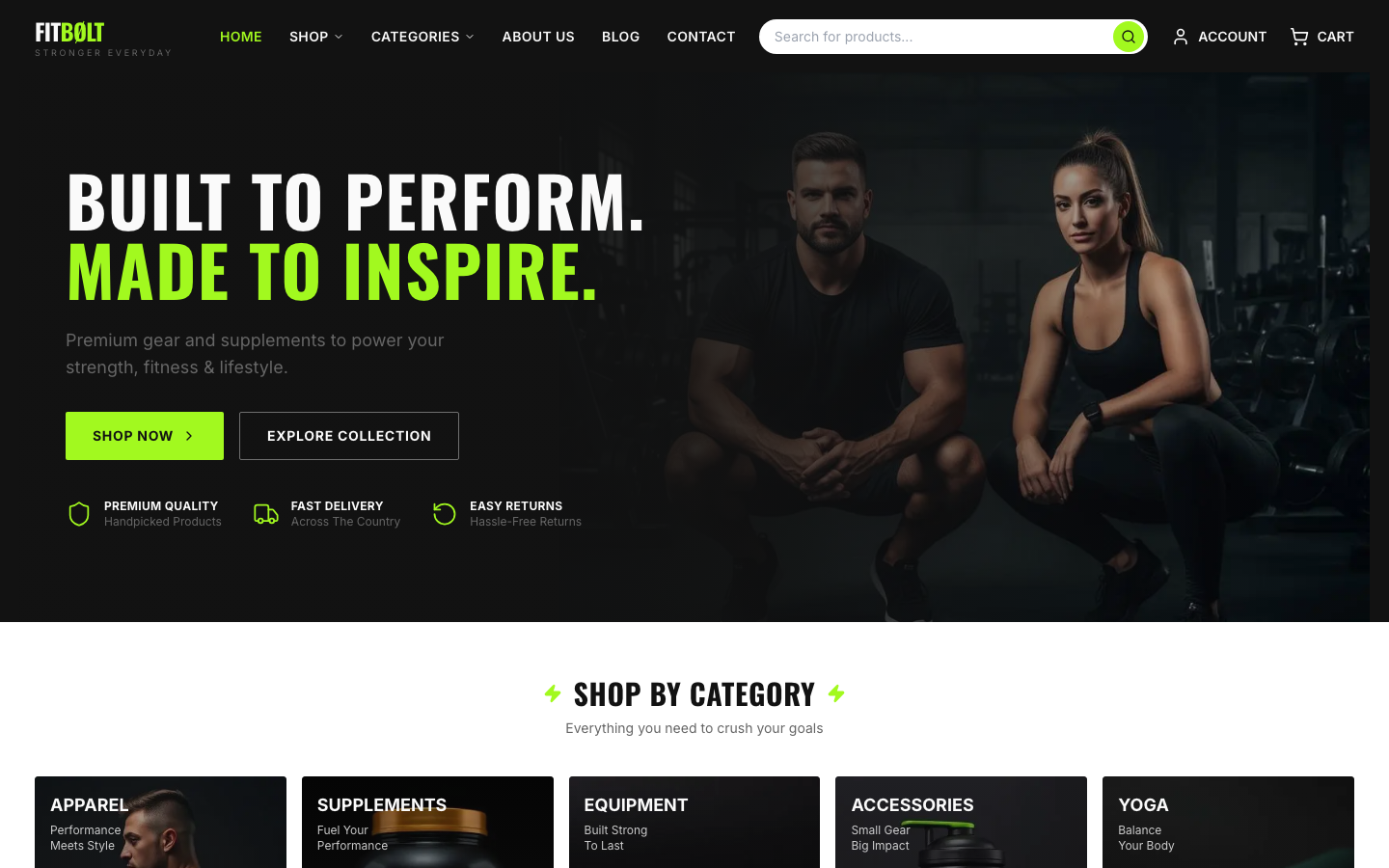
A performance-driven fitness and sports e-commerce application for gear, supplements, apparel, and training accessories. The server-rendered Next.js storefront is ready to buy with SEO-ready product and category pages; a React Native mobile port is available on demand. Supports category browsing (Apparel, Supplements, Equipment, Accessories, Yoga), size/flavour/colour variants, search with filtering, cart, and Stripe checkout. Built with Radix UI, shadcn/ui, and Tailwind CSS for a bold, high-energy interface, and connects to any headless commerce backend — Medusa JS SDK integration included. Ideal for supplement brands, activewear labels, gym-equipment retailers, or multi-category fitness marketplaces.
by Sam G
E-commerce platforms enable businesses to sell products and services online through dedicated storefronts, subscription models, and digital marketplaces. The best solutions combine seamless shopping experiences with powerful backend tools for inventory, payments, and customer management.
Popular subcategories
- Storefronts — Headless or template-based online stores with full customization control.
- Print-on-Demand — Custom products like t-shirts, mugs, and posters with zero inventory.
- Digital Downloads — Sell files, licenses, software, and digital products instantly.
- Subscriptions — Recurring revenue through subscription boxes and memberships.
Who builds e-commerce solutions?
- Retailers and brands transitioning from physical to online sales
- Content creators monetizing digital products, courses, and memberships
- Entrepreneurs launching product-based businesses with minimal upfront costs
- Agencies and developers building custom e-commerce solutions for clients
- SaaS companies adding commerce capabilities to existing platforms
Core e-commerce mechanics
- Product management: Catalogs, variants, pricing, inventory tracking, and SEO optimization
- Shopping experience: Search, filtering, recommendations, cart, and wishlist functionality
- Checkout process: Guest checkout, account creation, payment methods, and order confirmation
- Payment processing: Credit cards, digital wallets, buy-now-pay-later, and international currencies
- Order fulfillment: Inventory allocation, shipping integration, tracking, and delivery notifications
- Customer service: Returns, refunds, support tickets, and loyalty programs
Key features to evaluate
- Product catalog: Unlimited products, variants, categories, and rich media support
- Shopping cart: Persistent cart, saved items, quantity updates, and promotional codes
- Checkout optimization: Guest checkout, multiple payment methods, and mobile optimization
- Payment processing: Secure transactions, fraud protection, and global payment support
- Inventory management: Stock tracking, low-stock alerts, and automated reordering
- Shipping integration: Carrier APIs, rate calculation, label printing, and tracking
- Analytics dashboard: Sales metrics, customer insights, and conversion optimization
E-commerce business models
Product-based commerce:
- Physical products: Inventory management, shipping, returns, and quality control
- Digital products: Instant delivery, license management, and piracy protection
- Hybrid models: Combine physical and digital offerings for diversified revenue
Revenue models:
- Direct sales: Traditional buy-once model with immediate payment
- Subscription commerce: Recurring revenue through monthly/annual billing
- Marketplace commission: Take percentage of sales from third-party sellers
- Freemium/upsell: Free products with premium upgrades or add-ons
Conversion optimization strategies
- Page speed: Fast loading times, optimized images, and CDN implementation
- Mobile experience: Responsive design, touch-friendly interface, mobile payments
- Trust signals: Customer reviews, security badges, return policies, contact information
- Checkout optimization: Minimal steps, guest checkout, progress indicators, error handling
- Abandoned cart recovery: Email sequences, exit-intent popups, retargeting campaigns
- Social proof: Customer photos, testimonials, social media integration, influencer partnerships
Technical architecture considerations
- Scalability: Handle traffic spikes during sales events and seasonal peaks
- Performance: Fast page loads, optimized database queries, and caching strategies
- Security: PCI compliance, SSL certificates, fraud detection, and data protection
- SEO optimization: Clean URLs, meta tags, structured data, and sitemap generation
- Integration capabilities: APIs for payments, shipping, marketing, and analytics tools
- Mobile responsiveness: Touch-friendly design and mobile-specific optimizations
Marketing and growth strategies
- SEO optimization: Product page optimization, content marketing, and technical SEO
- Social commerce: Instagram Shopping, Facebook Marketplace, and social media integration
- Email marketing: Welcome series, abandoned cart emails, and customer retention campaigns
- Paid advertising: Google Ads, Facebook Ads, and retargeting campaigns
- Content marketing: Product guides, comparison articles, and educational content
- Influencer partnerships: Product collaborations and affiliate marketing programs
Common implementation challenges
- Inventory synchronization: Real-time stock updates across multiple sales channels
- Payment processing: International transactions, currency conversion, and tax calculation
- Shipping complexity: Multiple carriers, international shipping, and delivery options
- Customer service: Order inquiries, returns processing, and support ticket management
- Data migration: Moving from existing platforms without losing customer or order data
- Performance optimization: Maintaining fast load times with large product catalogs
Pricing and cost considerations
Platform costs:
- Hosted solutions: $29-300/month plus transaction fees (Shopify, BigCommerce)
- Open source: Free software but hosting, development, and maintenance costs
- Enterprise: Custom pricing for high-volume businesses with advanced needs
Additional costs:
- Payment processing: 2.4-3.5% per transaction plus fixed fees
- Apps and extensions: $5-100/month for additional functionality
- Design and development: $5,000-50,000 for custom themes and features
- Marketing tools: Email marketing, SEO tools, and advertising spend
Related categories
- Marketplaces — Multi-vendor platforms and two-sided marketplaces
- Finance & Payments — Payment processing and financial tools
- Marketing & SEO — Customer acquisition and conversion optimization
- Customer Support — Help desk and customer service tools
Tip: Successful e-commerce platforms prioritize user experience, mobile optimization, and conversion rate optimization over feature complexity. Start simple and iterate based on customer behavior and feedback.
Key Features
- Storefronts (headless, template-based online stores)
- Print-on-demand (custom products, dropshipping)
- Digital downloads (files, licenses, software)
- Subscription commerce (recurring boxes, memberships)
- Payment processing & checkout optimization
- Inventory management & order fulfillment
- SEO & marketing integrations
- Mobile-responsive shopping experiences
Frequently Asked Questions
What's the difference between e-commerce and marketplaces?
E-commerce stores sell their own products directly to customers. Marketplaces host multiple sellers on one platform. E-commerce offers more control but requires handling all operations.
Should I use a hosted platform or build custom?
Hosted platforms (Shopify, WooCommerce) are faster to launch and maintain. Custom builds offer more flexibility but require technical expertise and ongoing maintenance.
How do I choose between different e-commerce models?
Consider your products, target market, and resources. Physical products need inventory/shipping, digital products need delivery systems, subscriptions need recurring billing.
What are the essential features for an e-commerce MVP?
Product catalog, shopping cart, secure checkout, payment processing, order management, customer accounts, and basic analytics. Add features based on customer feedback.
How do I optimize e-commerce conversion rates?
Focus on fast loading, mobile optimization, clear product images, simple checkout, trust signals (reviews, security badges), and abandoned cart recovery.
Browse by Subcategory
Fashion & Apparel
Clothing, t-shirts, hoodies, accessories.
Beauty & Cosmetics
Skincare, makeup, fragrance.
Home & Furniture
Furniture, decor, planters.
Kids & Toys
Toys, kids clothing, baby gear.
Electronics
Gadgets, devices, accessories.
Plants & Garden
Plants, succulents, garden supplies.
Hardware & Plumbing
Fixtures, tools, B2B supplies.
Seasonal & Gifts
Holiday and gift shops.
Grocery & Subscription
Recurring grocery, D2C subscription commerce.
Digital Downloads
Sell files, licenses, and packs.
Print-on-Demand
T-shirts, mugs, posters with customizers.
Storefronts
Headless or template-based online stores.
Subscriptions
Recurring boxes or content memberships.
Fitness & Sports
Fitness equipment, activewear, and sports retail.
Multi-Purpose Stores
General-purpose multi-category storefronts.