Photo by Edho Pratama on Unsplash
MVP vs Prototype vs Proof of Concept: Differences That Matter
MVP vs Prototype vs Proof of Concept: Differences That Matter
If you're building a product—whether it's your first startup or your fifth—you've probably heard three terms thrown around interchangeably: Proof of Concept (PoC), Prototype, and MVP (Minimum Viable Product).
They're not the same thing. Not even close.
Each one serves a different purpose, targets a different audience, and answers a different question. Using the wrong one at the wrong time can cost you weeks of development, thousands of dollars, or worse—build something nobody wants.
This guide will give you a clear, practical understanding of all three, so you know exactly which one you need and when.
The Quick Answer
| Proof of Concept (PoC) | Prototype | MVP | |
|---|---|---|---|
| Purpose | Can we build this? | What should it look and feel like? | Do people want this? |
| Audience | Internal team, stakeholders | Designers, investors, testers | Real users, early adopters |
| Functional? | Partially (specific feature) | Usually not (simulated) | Yes (core features work) |
| Fidelity | Low | Low to high | Medium |
| Time to build | Days to 1-2 weeks | 1-3 weeks | 4-8 weeks |
| Output | Technical validation | Visual/UX validation | Market validation |
| Users interact with it? | No | Sometimes (usability tests) | Yes (real usage) |
Now let's dig into each one.
Proof of Concept (PoC): "Can We Actually Build This?"
A Proof of Concept is the earliest and most technical validation step. It answers one fundamental question: Is this technically feasible?
What a PoC looks like:
A PoC is typically a small, focused experiment that tests whether a specific technology, integration, or approach will work. It's not pretty. It's not user-facing. It's code (or sometimes hardware) that proves something is possible.
Examples:
- AI startup: Can our model accurately classify support tickets with 90%+ accuracy using this dataset?
- Fintech app: Can we connect to this bank's API and pull transaction data in real time?
- IoT product: Can the sensor transmit data reliably over Bluetooth Low Energy at the required range?
- Marketplace: Can we process split payments between buyers and sellers using Stripe Connect?
Characteristics of a PoC:
- Narrow scope — Tests one specific technical question
- No UI — Often runs in a terminal, notebook, or test environment
- Throwaway code — Not meant to be production-ready
- Internal audience — Only the development team and stakeholders see it
- Fast — Should take days, not weeks
When you need a PoC:
- Your product relies on unproven technology
- You're integrating with a complex third-party system
- Stakeholders or investors need proof that the idea is technically viable
- The biggest risk to your project is "can we build it?", not "will people use it?"
When you don't need a PoC:
- Your tech stack is well-established (e.g., standard CRUD app)
- The technical approach is straightforward
- The bigger risk is market demand, not feasibility
Prototype: "What Should It Look and Feel Like?"
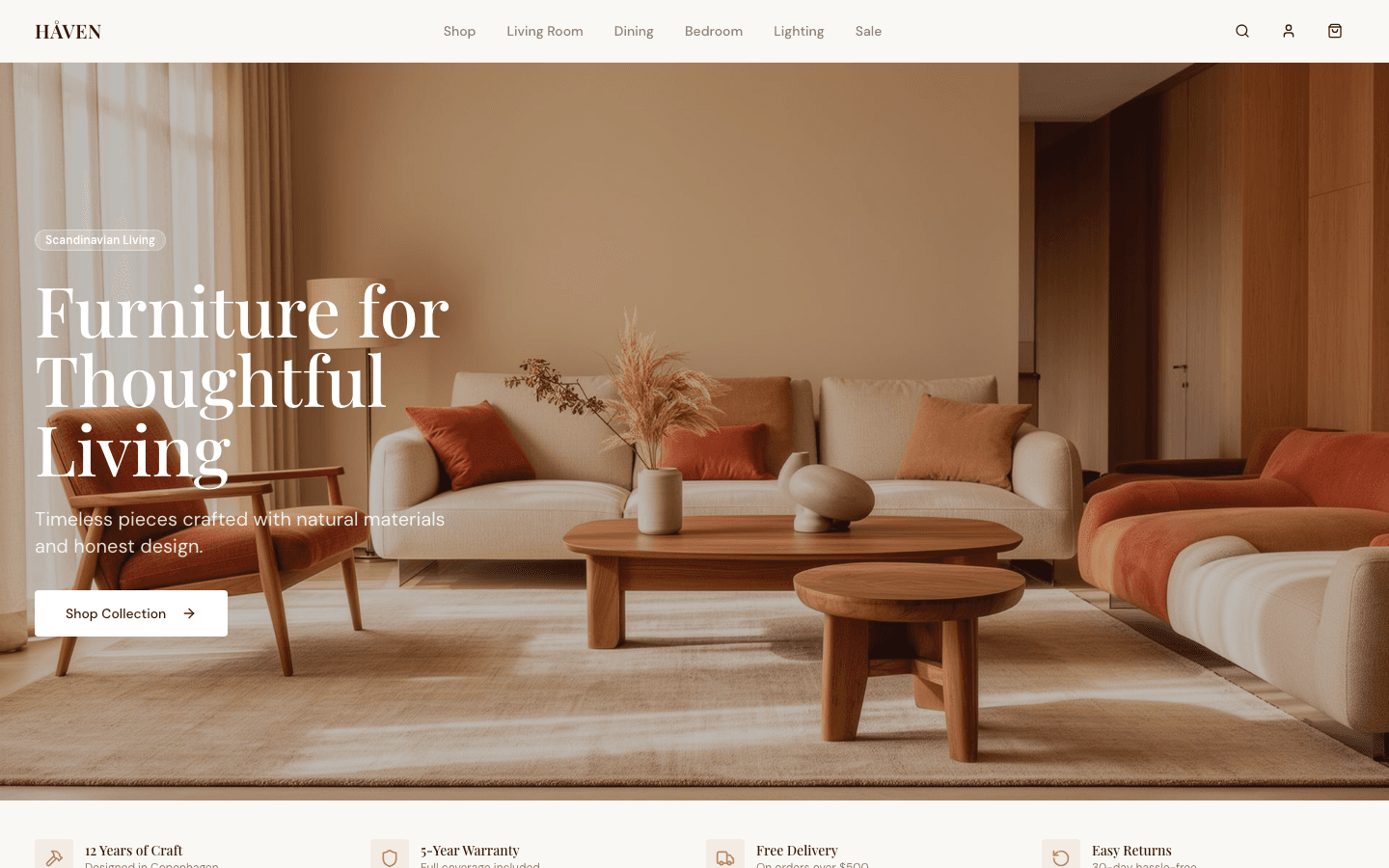
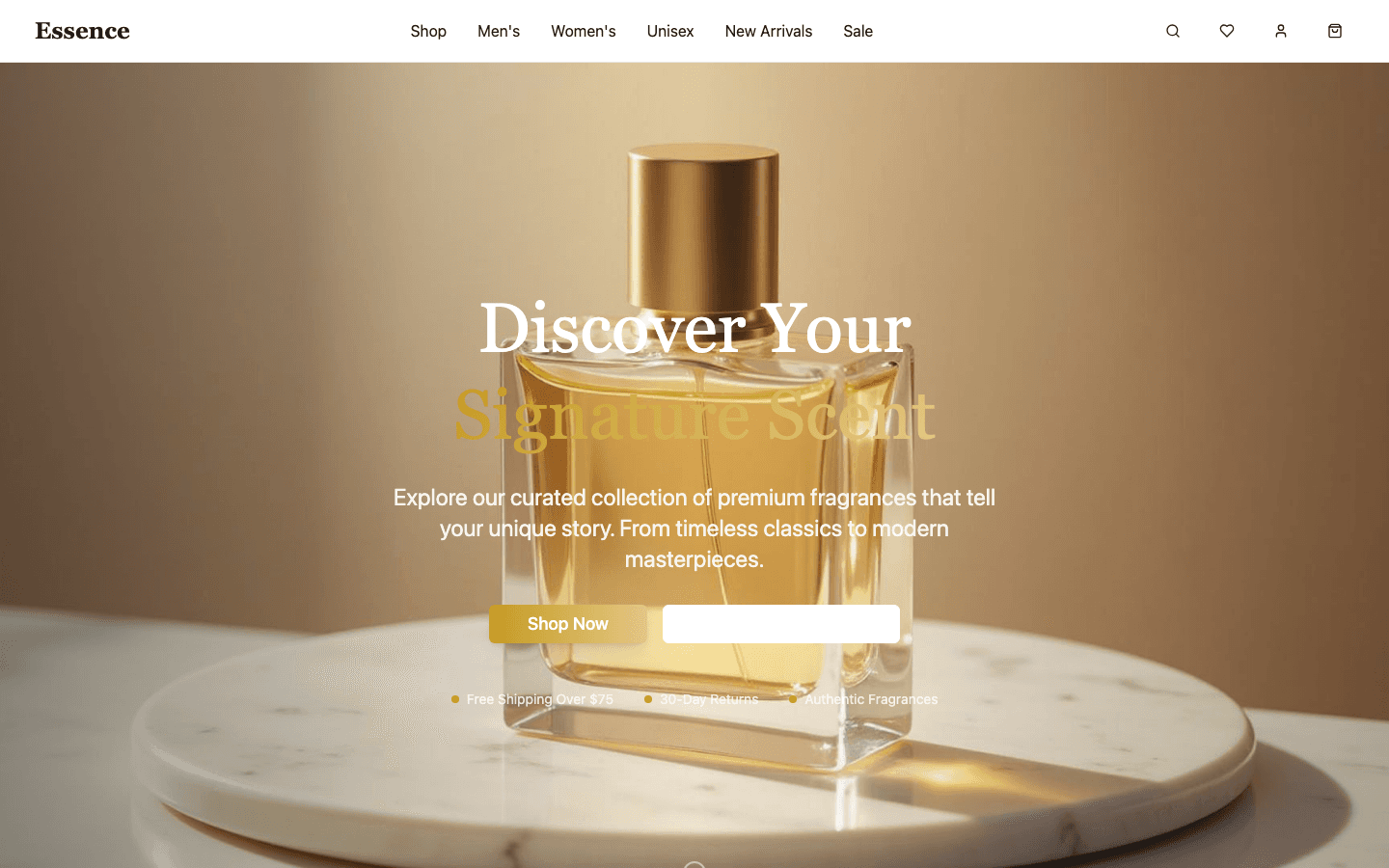
A Prototype is a visual and interactive representation of your product. It focuses on design, user experience, and flow—not on working code or real data.
What a prototype looks like:
Prototypes range from low-fidelity to high-fidelity:
Low-fidelity (lo-fi):
- Paper sketches
- Wireframes (Balsamiq, Whimsical)
- Basic screen layouts with placeholder content
High-fidelity (hi-fi):
- Pixel-perfect mockups (Figma, Sketch)
- Clickable prototypes that simulate real interactions
- Animated transitions and micro-interactions
Examples:
- Mobile app: A Figma prototype with 15 connected screens that a user can tap through to experience the onboarding flow
- SaaS dashboard: Wireframes showing the layout of analytics charts, navigation, and settings panels
- E-commerce site: A clickable prototype showing the browse-to-checkout journey with realistic product images
Characteristics of a prototype:
- Visual focus — Looks like a real product (especially hi-fi)
- Not functional — Buttons may be clickable but no real data, no backend, no business logic
- Design validation — Tests usability, layout, navigation, and user flow
- Multiple audiences — Designers, developers, stakeholders, and sometimes test users
- Iterative — Easy to change and update based on feedback
When you need a prototype:
- You need to test user experience before building
- You're pitching to investors and need something visual to show
- Your product has complex workflows that need to be mapped out
- Your team needs alignment on what to build before the how
- You want to run usability tests with potential users
When you don't need a prototype:
- Your product is simple enough that you can design as you code
- You're using a component library that already defines the look and feel
- Speed is more important than design precision at this stage
MVP: "Do People Actually Want This?"
An MVP is a real, working product with the minimum set of features needed to deliver value to real users. It's the first version you put in front of actual customers.
What an MVP looks like:
An MVP is functional software. It has a backend, a database, user authentication (usually), and a core feature that works end to end. It's not feature-complete, but it does something useful.
Examples:
- Dropbox: A simple file syncing tool—just drag files into a folder and they sync. No sharing, no collaboration, no mobile app.
- Airbnb: A basic website where the founders listed their own apartment. No search filters, no reviews, no payments platform.
- Twitter: Originally just a way to post 140-character status updates. No retweets, no hashtags, no threads.
- Uber: An iPhone-only app that connected you to a black car in San Francisco. No surge pricing, no driver ratings, no UberEats.
Characteristics of an MVP:
- Functional — Real users can sign up, use it, and get value
- Core features only — The absolute minimum to solve the main problem
- Market validation — Tests whether people will use (and ideally pay for) your product
- Real audience — Early adopters, beta users, initial customers
- Data-generating — Produces usage data, feedback, and insights for iteration
- Foundation for growth — The codebase evolves into your full product
When you need an MVP:
- You've validated feasibility (PoC) and design (Prototype), and now need market validation
- You want to start generating revenue or user data
- You're ready to learn from real user behavior, not assumptions
- You need traction for fundraising, partnerships, or team building
When you might not need a full MVP yet:
- You haven't validated that the idea is technically feasible (do a PoC first)
- You have no idea what the product should look like (do a prototype first)
- You can validate demand with a simpler approach (landing page, waitlist, surveys)
Side-by-Side: A Deeper Comparison
What question does each one answer?
| Stage | Core Question |
|---|---|
| PoC | "Is this technically possible?" |
| Prototype | "Is this usable and intuitive?" |
| MVP | "Is this valuable enough that people will use it?" |
Who sees it?
| Stage | Primary Audience |
|---|---|
| PoC | Engineering team, technical stakeholders |
| Prototype | Designers, product team, investors, usability testers |
| MVP | Real users, early adopters, paying customers |
What happens after?
| Stage | Next Step |
|---|---|
| PoC | If validated → Build a prototype or MVP. If not → Explore alternative approaches. |
| Prototype | If validated → Build the MVP using the design as a guide. If not → Redesign and retest. |
| MVP | If validated → Iterate, add features, scale. If not → Pivot or kill the idea. |
What does each one cost?
| Stage | Typical Cost (Solo/Small Team) | Typical Timeline |
|---|---|---|
| PoC | $0–$2,000 | 2–7 days |
| Prototype | $500–$5,000 | 1–3 weeks |
| MVP | $5,000–$50,000+ | 4–12 weeks |
(Costs vary dramatically based on complexity, team size, and tech stack.)
Do You Always Need All Three?
No. Many successful products skip one or more of these stages. Here's when:
Skip the PoC when:
- Your tech stack is standard and proven
- There are no significant technical unknowns
- Example: Building a blog platform with Next.js and PostgreSQL—no PoC needed
Skip the Prototype when:
- You're using a design system or component library
- The UX is straightforward (simple CRUD, standard e-commerce)
- Speed to market is more important than pixel-perfect design
- Example: Building an internal tool for your team—just code it
Skip straight to MVP when:
- The technology is proven and the design is simple
- You've already validated the concept through customer conversations
- You're an experienced builder who can make design decisions on the fly
- Example: An experienced SaaS founder building a tool they personally need
Never skip market validation:
Whether you build a PoC, a prototype, or go straight to an MVP, you should always validate that real people want what you're building. The format doesn't matter as much as the answer.
The Ideal Product Development Flow
For most startups, the ideal sequence looks like this:
Idea → PoC (if needed) → Prototype (if needed) → MVP → Iterate → Scale
Here's how each stage feeds the next:
Stage 1: Idea Validation (1-2 days)
Before building anything, validate the problem:
- Talk to 10-20 potential users
- Research competitors
- Confirm the problem is real and painful enough to pay for
Stage 2: Proof of Concept (3-7 days)
If there's technical risk:
- Build a focused experiment
- Test the riskiest technical assumption
- Decide: proceed, pivot, or stop
Stage 3: Prototype (1-2 weeks)
If the UX is complex:
- Design the core user flows
- Run usability tests with 5-10 people
- Refine the design based on feedback
Stage 4: MVP (4-8 weeks)
Build the real thing:
- Core feature, working end to end
- Real authentication and data persistence
- Deploy and put it in front of real users
Stage 5: Iterate
Learn from real usage:
- Analyze user behavior and feedback
- Add the next most-requested features
- Improve performance and reliability
Real-World Scenario: Building a Project Management Tool
Let's walk through how all three stages might look for a hypothetical project management tool for freelancers:
PoC (3 days)
Question: Can we sync tasks bidirectionally with Google Calendar's API?
Build a script that creates a task in your database and pushes it to Google Calendar, then pulls changes back. Test edge cases (recurring events, timezone issues, API rate limits). Result: Yes, it works—but we need to batch API calls to avoid rate limiting.
Prototype (1.5 weeks)
Question: Is the kanban board layout intuitive for freelancers who manage multiple clients?
Design 8 screens in Figma: dashboard, kanban board, task detail, client list, calendar view, settings, onboarding, and notifications. Run usability tests with 7 freelancers. Result: Users love the kanban board but want a list view option too. Calendar sync is the #1 requested feature.
MVP (6 weeks)
What to build:
- User sign-up and authentication
- Create projects and tasks
- Kanban board with drag-and-drop
- Google Calendar sync (validated by PoC)
- Basic client management
What to skip for now:
- List view (nice to have, validated by prototype feedback—add in v2)
- Team collaboration (MVP is for solo freelancers)
- Mobile app (responsive web is enough)
- Invoicing (separate product concern)
Common Mistakes
Mistake 1: Building an MVP when you need a PoC
If your biggest risk is technical, don't spend 6 weeks building a full product only to discover the core technology doesn't work. Spend 3 days on a PoC first.
Mistake 2: Building a prototype when you need an MVP
Beautiful mockups don't validate market demand. If your design is simple enough, skip the prototype and put a working product in front of users.
Mistake 3: Calling your prototype an MVP
If users can't sign up, use the product, and get real value from it—it's not an MVP. It's a prototype or a demo. The distinction matters because the feedback you get is fundamentally different.
Mistake 4: Over-investing in a PoC
A PoC is throwaway code. Don't spend two weeks making it production-ready. Validate the technical question and move on.
Mistake 5: Skipping all three and just "building the product"
Without some form of validation, you're gambling. Even if you skip formal stages, make sure you're testing assumptions with real data at every step.
Which One Should You Build First?
Ask yourself these questions:
Is there significant technical risk or uncertainty? → Start with a Proof of Concept
Is the user experience complex or untested? → Start with a Prototype
Is the tech straightforward and you understand the UX? → Go straight to an MVP
Do you have no idea if anyone wants this? → Start with customer interviews and a landing page, then decide
Final Thoughts
The terms PoC, Prototype, and MVP exist because different stages of product development require different tools. Using the right one at the right time saves you from:
- Building something technically impossible (PoC prevents this)
- Building something unusable (Prototype prevents this)
- Building something nobody wants (MVP prevents this)
Don't get caught up in labels. Focus on the question you need to answer right now, then pick the lightest-weight approach that gets you a reliable answer.
Build smart. Validate early. Ship fast.
Ready to build your MVP? Check out How to Build an MVP: A Step-by-Step Guide for a detailed walkthrough.
Want to understand MVPs better first? Read What Is an MVP in Software? A Practical Guide for Startup Founders.
Need to move fast? See our 10 Proven Ways to Cut MVP Development Time.