Photo by Austin Distel on Unsplash
How to Launch a D2C Brand Faster With an eCommerce Starter Codebase
How to Launch a D2C Brand Faster With an eCommerce Starter Codebase
Direct-to-consumer (D2C) brands live and die on speed. The faster you launch, the faster you validate your product, build your audience, and start generating revenue. An eCommerce starter codebase gives you the store infrastructure on day one — so you can focus on what actually differentiates your brand: the product, the story, and the customer experience.
What a D2C Brand Actually Needs
Day-One Requirements
| Feature | Build from Scratch | With Starter Codebase |
|---|---|---|
| Product catalog with images | 3-5 days | Pre-built |
| Shopping cart | 2-3 days | Pre-built |
| Stripe checkout | 3-5 days | Pre-built |
| Order management | 3-5 days | Pre-built |
| Responsive design | 2-3 days | Pre-built |
| Email notifications | 2-3 days | Pre-built |
| SEO basics | 1-2 days | Pre-built |
| Total | 16-26 days | Day 1 |
What Makes D2C Unique
Unlike general eCommerce, D2C brands need:
- Strong brand identity — Custom colors, typography, photography style
- Storytelling — About page, brand mission, founder story
- Content marketing — Blog, social proof, customer stories
- Email list building — Newsletter signup, launch announcements
- Direct customer relationships — No marketplace middleman
The Starter Codebase Advantage for D2C
A starter codebase handles the commodity infrastructure (cart, checkout, orders, email) so you spend your time on brand-specific customization:
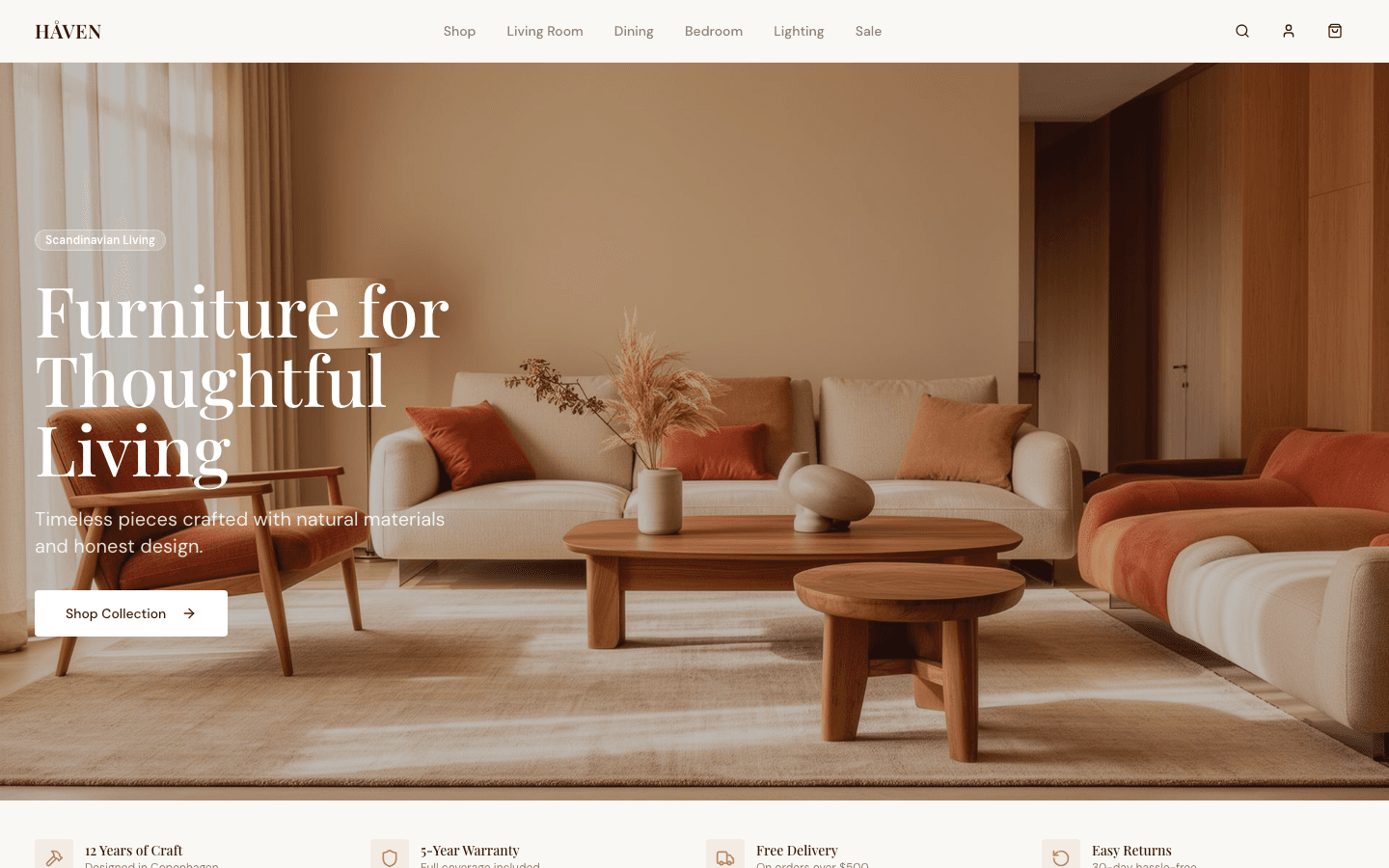
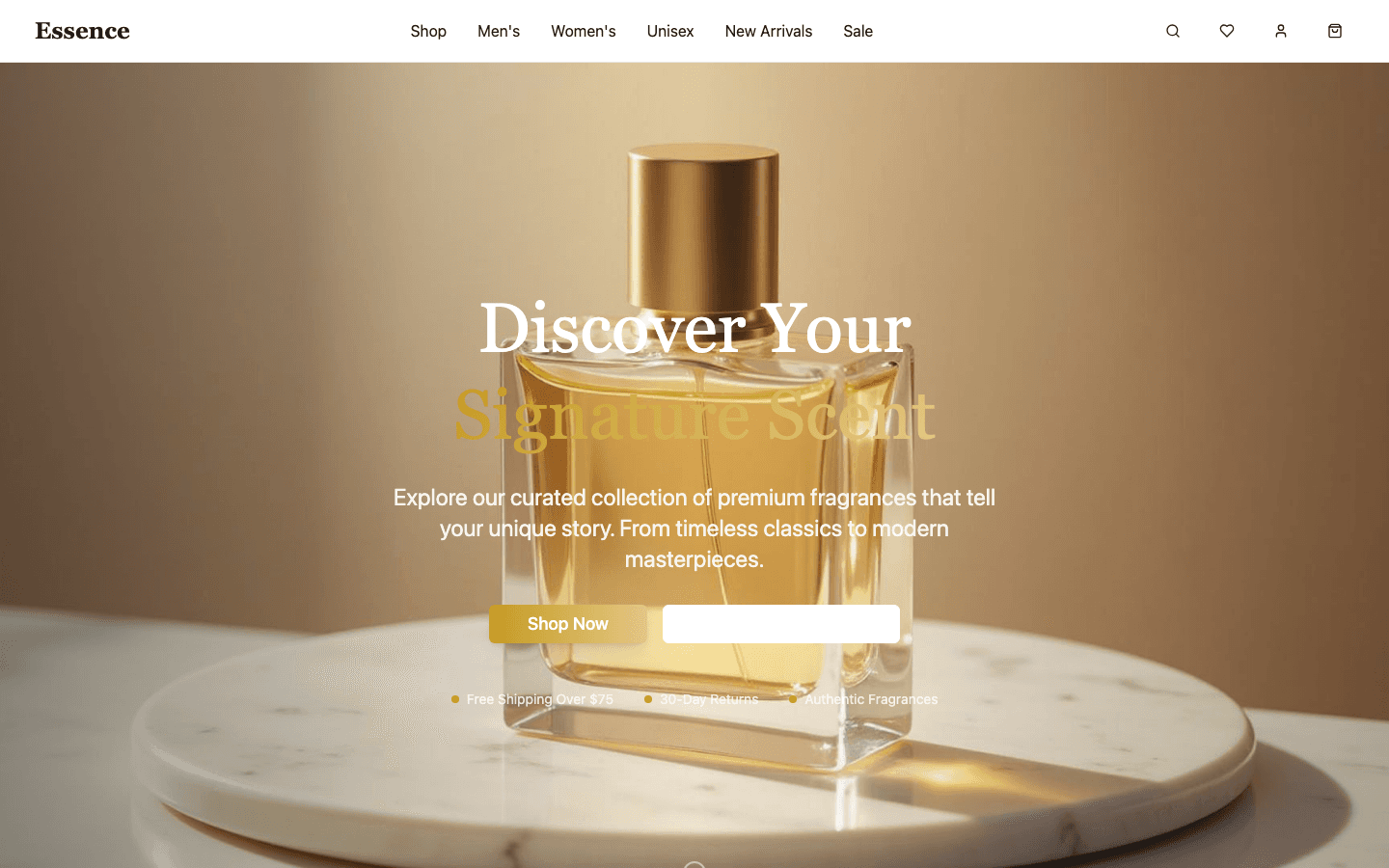
- Customizing the landing page to tell your brand story
- Styling product pages to match your brand aesthetic
- Creating content that connects with your audience
- Setting up email marketing flows
- Optimizing product photography and descriptions
The 3-Week D2C Launch Plan
Week 1: Foundation and Brand
| Day | Task |
|---|---|
| 1 | Set up starter codebase, configure services |
| 2-3 | Brand customization: logo, colors, fonts, imagery |
| 4-5 | Landing page: hero section, brand story, featured products |
Week 2: Products and Content
| Day | Task |
|---|---|
| 6-7 | Add products with professional photos and compelling descriptions |
| 8-9 | About page, FAQ, shipping/returns policies |
| 10 | Blog setup with 2-3 launch articles |
Week 3: Payments, Email, and Launch
| Day | Task |
|---|---|
| 11-12 | Configure Stripe payments, test checkout flow |
| 13 | Set up email: welcome sequence, order confirmation, shipping updates |
| 14 | Final testing on desktop and mobile |
| 15 | Launch: social media, email list, community announcements |
D2C Metrics to Track from Day One
| Metric | What It Tells You |
|---|---|
| Site traffic | Is your marketing working? |
| Conversion rate | Is your store converting visitors to buyers? |
| Average order value | Are customers buying enough per order? |
| Customer acquisition cost | How much does it cost to get one customer? |
| Email signup rate | Are you building an audience for long-term growth? |
| Repeat purchase rate | Do customers come back? |
Final Thoughts
A D2C brand is about the product and the customer relationship — not the technology. Use a starter codebase to launch your store in weeks, then invest your time in the things that actually build a brand: great products, compelling content, and genuine customer connections.
Need a D2C template? Browse eCommerce starter kits on MVPHub.
Building from scratch? Read How to Build an eCommerce MVP.