//Seasonal & Gifts

E-Commerce

Storefronts and selling platforms for physical or digital products, subscriptions, or POD.

E-Commerce
1 MVP assets available

Popular examples:

christmas gift store

Related Subcategories in E-Commerce

Fashion & Apparel

Clothing, t-shirts, hoodies, accessories.

t-shirt store

Beauty & Cosmetics

Skincare, makeup, fragrance.

beauty storeperfume store

Home & Furniture

Furniture, decor, planters.

furniture storeplant pot store

Kids & Toys

Toys, kids clothing, baby gear.

kids store

Electronics

Gadgets, devices, accessories.

electronics store

Plants & Garden

Plants, succulents, garden supplies.

plant store
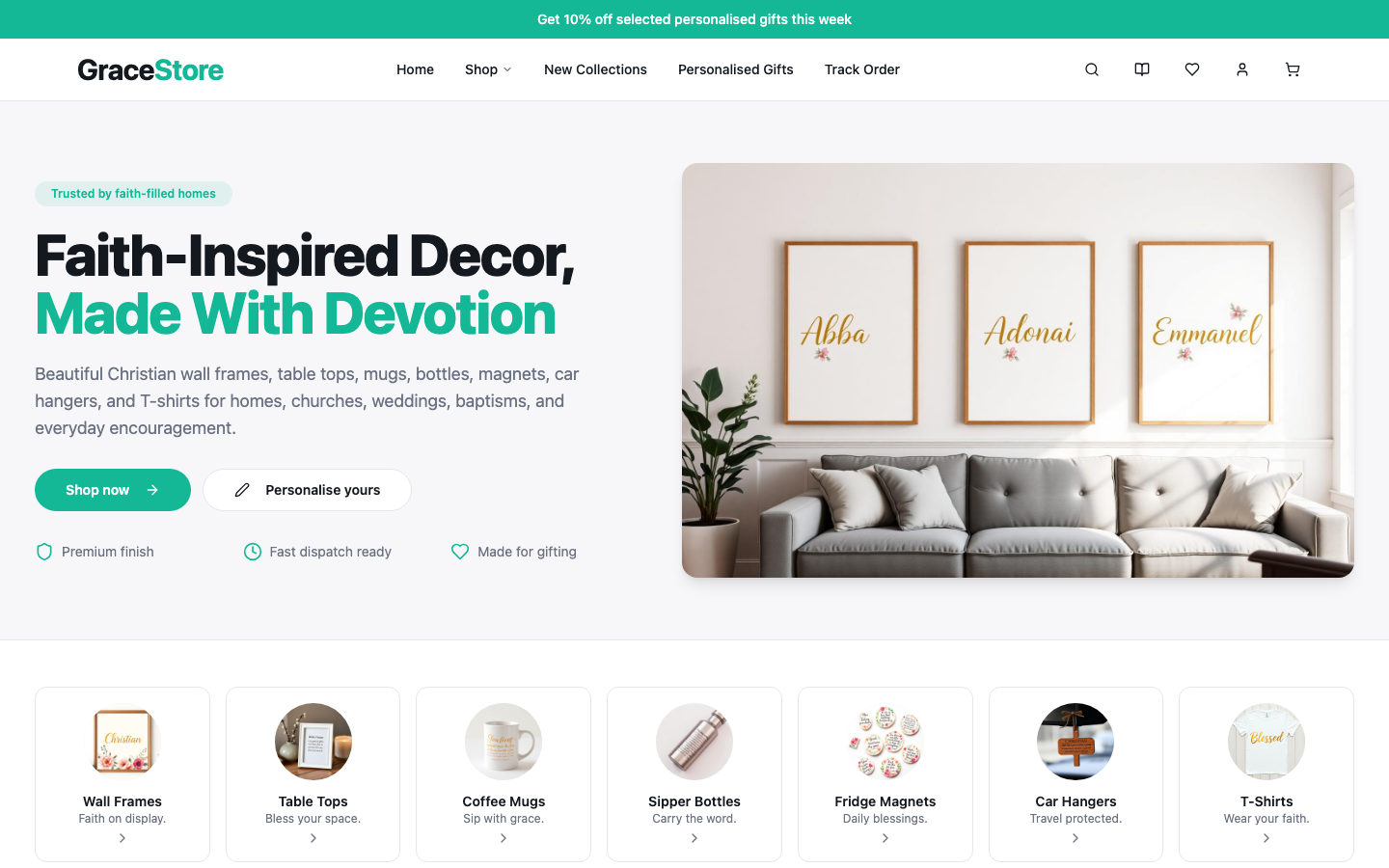
E-commerce platforms enable businesses to sell products and services online through dedicated storefronts, subscription models, and digital marketplaces. The best solutions combine seamless shopping experiences with powerful backend tools for inventory, payments, and customer management.

  • Storefronts — Headless or template-based online stores with full customization control.
  • Print-on-Demand — Custom products like t-shirts, mugs, and posters with zero inventory.
  • Digital Downloads — Sell files, licenses, software, and digital products instantly.
  • Subscriptions — Recurring revenue through subscription boxes and memberships.

Who builds e-commerce solutions?

  • Retailers and brands transitioning from physical to online sales
  • Content creators monetizing digital products, courses, and memberships
  • Entrepreneurs launching product-based businesses with minimal upfront costs
  • Agencies and developers building custom e-commerce solutions for clients
  • SaaS companies adding commerce capabilities to existing platforms

Core e-commerce mechanics

  1. Product management: Catalogs, variants, pricing, inventory tracking, and SEO optimization
  2. Shopping experience: Search, filtering, recommendations, cart, and wishlist functionality
  3. Checkout process: Guest checkout, account creation, payment methods, and order confirmation
  4. Payment processing: Credit cards, digital wallets, buy-now-pay-later, and international currencies
  5. Order fulfillment: Inventory allocation, shipping integration, tracking, and delivery notifications
  6. Customer service: Returns, refunds, support tickets, and loyalty programs

Key features to evaluate

  1. Product catalog: Unlimited products, variants, categories, and rich media support
  2. Shopping cart: Persistent cart, saved items, quantity updates, and promotional codes
  3. Checkout optimization: Guest checkout, multiple payment methods, and mobile optimization
  4. Payment processing: Secure transactions, fraud protection, and global payment support
  5. Inventory management: Stock tracking, low-stock alerts, and automated reordering
  6. Shipping integration: Carrier APIs, rate calculation, label printing, and tracking
  7. Analytics dashboard: Sales metrics, customer insights, and conversion optimization

E-commerce business models

Product-based commerce:

  • Physical products: Inventory management, shipping, returns, and quality control
  • Digital products: Instant delivery, license management, and piracy protection
  • Hybrid models: Combine physical and digital offerings for diversified revenue

Revenue models:

  • Direct sales: Traditional buy-once model with immediate payment
  • Subscription commerce: Recurring revenue through monthly/annual billing
  • Marketplace commission: Take percentage of sales from third-party sellers
  • Freemium/upsell: Free products with premium upgrades or add-ons

Conversion optimization strategies

  • Page speed: Fast loading times, optimized images, and CDN implementation
  • Mobile experience: Responsive design, touch-friendly interface, mobile payments
  • Trust signals: Customer reviews, security badges, return policies, contact information
  • Checkout optimization: Minimal steps, guest checkout, progress indicators, error handling
  • Abandoned cart recovery: Email sequences, exit-intent popups, retargeting campaigns
  • Social proof: Customer photos, testimonials, social media integration, influencer partnerships

Technical architecture considerations

  • Scalability: Handle traffic spikes during sales events and seasonal peaks
  • Performance: Fast page loads, optimized database queries, and caching strategies
  • Security: PCI compliance, SSL certificates, fraud detection, and data protection
  • SEO optimization: Clean URLs, meta tags, structured data, and sitemap generation
  • Integration capabilities: APIs for payments, shipping, marketing, and analytics tools
  • Mobile responsiveness: Touch-friendly design and mobile-specific optimizations

Marketing and growth strategies

  • SEO optimization: Product page optimization, content marketing, and technical SEO
  • Social commerce: Instagram Shopping, Facebook Marketplace, and social media integration
  • Email marketing: Welcome series, abandoned cart emails, and customer retention campaigns
  • Paid advertising: Google Ads, Facebook Ads, and retargeting campaigns
  • Content marketing: Product guides, comparison articles, and educational content
  • Influencer partnerships: Product collaborations and affiliate marketing programs

Common implementation challenges

  • Inventory synchronization: Real-time stock updates across multiple sales channels
  • Payment processing: International transactions, currency conversion, and tax calculation
  • Shipping complexity: Multiple carriers, international shipping, and delivery options
  • Customer service: Order inquiries, returns processing, and support ticket management
  • Data migration: Moving from existing platforms without losing customer or order data
  • Performance optimization: Maintaining fast load times with large product catalogs

Pricing and cost considerations

Platform costs:

  • Hosted solutions: $29-300/month plus transaction fees (Shopify, BigCommerce)
  • Open source: Free software but hosting, development, and maintenance costs
  • Enterprise: Custom pricing for high-volume businesses with advanced needs

Additional costs:

  • Payment processing: 2.4-3.5% per transaction plus fixed fees
  • Apps and extensions: $5-100/month for additional functionality
  • Design and development: $5,000-50,000 for custom themes and features
  • Marketing tools: Email marketing, SEO tools, and advertising spend

Tip: Successful e-commerce platforms prioritize user experience, mobile optimization, and conversion rate optimization over feature complexity. Start simple and iterate based on customer behavior and feedback.

Key Features

  • Storefronts (headless, template-based online stores)
  • Print-on-demand (custom products, dropshipping)
  • Digital downloads (files, licenses, software)
  • Subscription commerce (recurring boxes, memberships)
  • Payment processing & checkout optimization
  • Inventory management & order fulfillment
  • SEO & marketing integrations
  • Mobile-responsive shopping experiences

Frequently Asked Questions

What's the difference between e-commerce and marketplaces?

E-commerce stores sell their own products directly to customers. Marketplaces host multiple sellers on one platform. E-commerce offers more control but requires handling all operations.

Should I use a hosted platform or build custom?

Hosted platforms (Shopify, WooCommerce) are faster to launch and maintain. Custom builds offer more flexibility but require technical expertise and ongoing maintenance.

How do I choose between different e-commerce models?

Consider your products, target market, and resources. Physical products need inventory/shipping, digital products need delivery systems, subscriptions need recurring billing.

What are the essential features for an e-commerce MVP?

Product catalog, shopping cart, secure checkout, payment processing, order management, customer accounts, and basic analytics. Add features based on customer feedback.

How do I optimize e-commerce conversion rates?

Focus on fast loading, mobile optimization, clear product images, simple checkout, trust signals (reviews, security badges), and abandoned cart recovery.