Photo by Javier Allegue Barros on Unsplash
Boilerplate vs Template vs Starter Kit: What's the Difference?
Boilerplate vs Template vs Starter Kit: What's the Difference?
These three terms get used interchangeably — but they're actually different things with different strengths. Understanding the distinction helps you pick the right starting point for your project.
The Quick Comparison
| Boilerplate | Template | Starter Kit | |
|---|---|---|---|
| What it is | Pre-built codebase with infrastructure | Design/layout you customize | Opinionated project setup with conventions |
| Focus | Backend + frontend functionality | Visual design and UI | Architecture and developer experience |
| Includes backend? | Yes (auth, DB, payments, API) | Rarely | Sometimes |
| Includes design? | Basic (functional) | Yes (polished) | Basic |
| Customization needed | Moderate (add your features) | Heavy (add all functionality) | Moderate (follow the patterns) |
| Best for | MVPs and SaaS products | Marketing sites and landing pages | Developers who want a clean starting point |
| Examples | ShipFast, Makerkit, SaaSBold | Tailwind UI templates, ThemeForest themes | create-t3-app, create-next-app |
Boilerplate: The Full Foundation
A boilerplate is a complete, functional codebase that includes all the infrastructure features a web application needs. You clone it and build your unique features on top.
What's typically included:
- Authentication (sign up, login, password reset)
- Database setup with ORM and migrations
- Payment integration (Stripe)
- Email system (transactional emails)
- Dashboard layout with navigation
- Admin panel
- API routes or server actions
- Deployment configuration
Best for: Building SaaS products, web apps, and marketplaces where you need working backend infrastructure from day one.
Think of it as: A house with foundation, plumbing, and electrical done. You customize the rooms.
Template: The Visual Starting Point
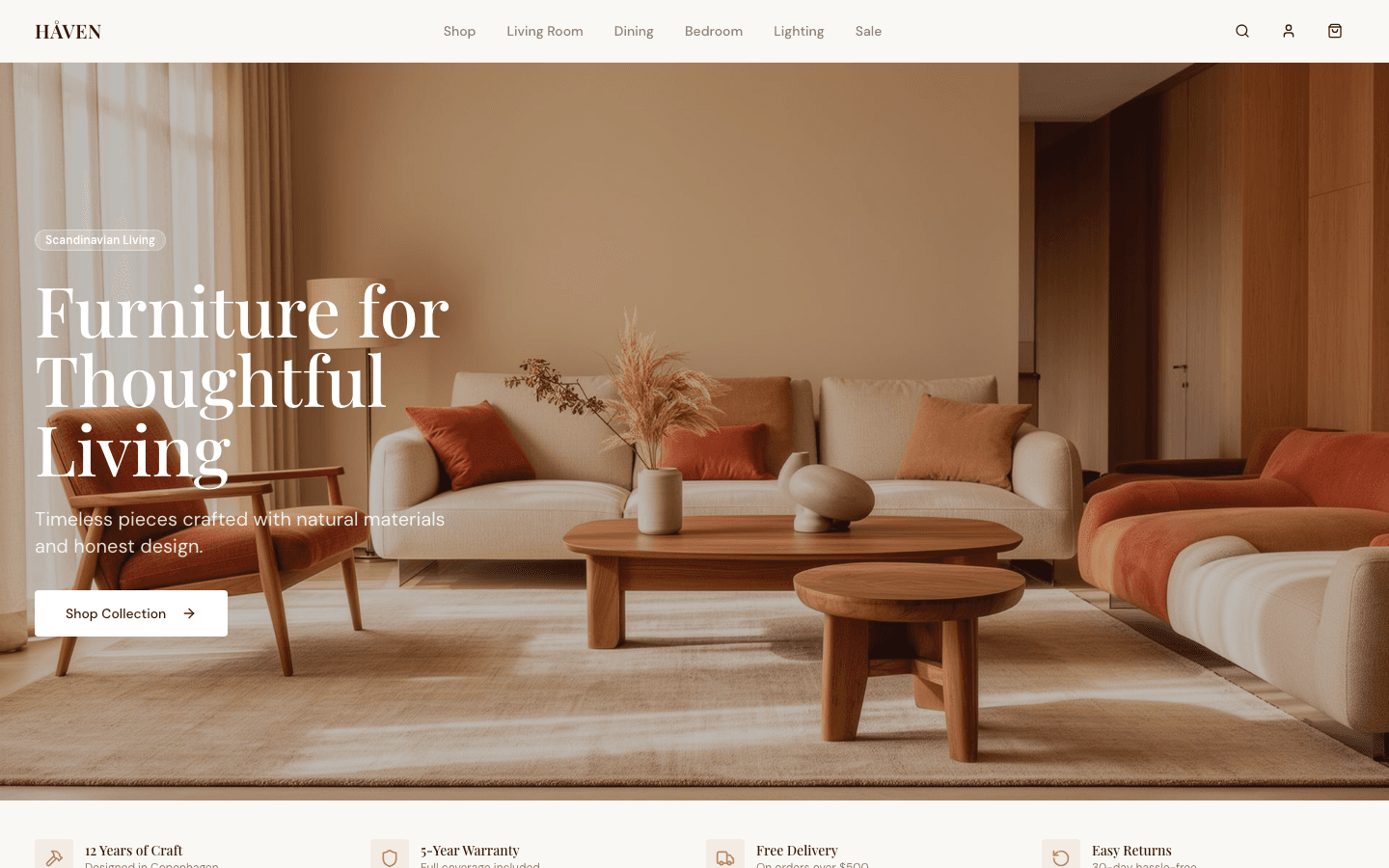
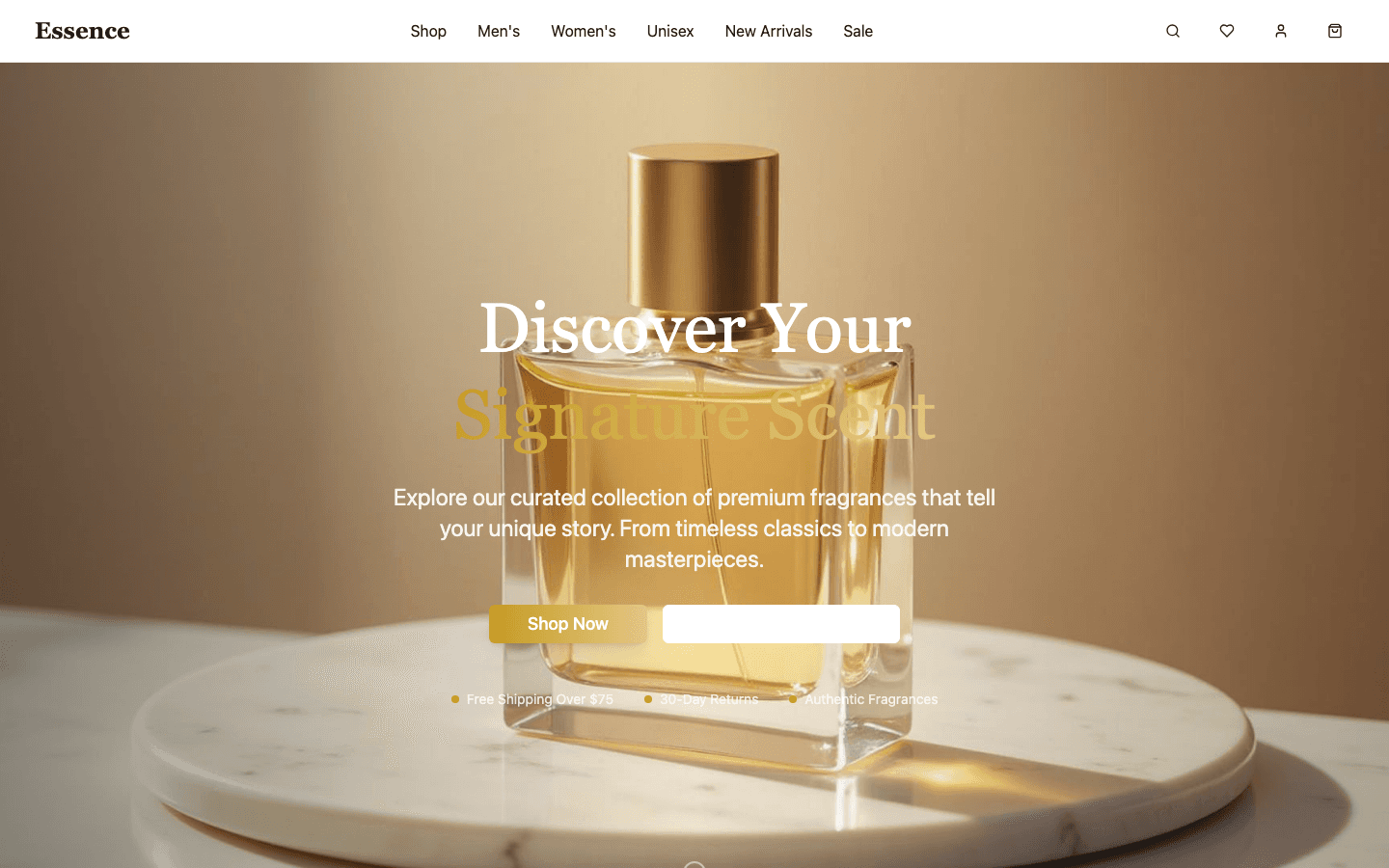
A template is primarily a design and layout — HTML, CSS, and sometimes JavaScript — that gives you a polished visual starting point. It focuses on how things look, not how they work.
What's typically included:
- Styled pages (landing, pricing, about, blog)
- UI components (buttons, cards, forms, modals)
- Responsive layouts
- Color schemes and typography
- Sometimes basic interactivity (modals, dropdowns)
What's NOT included:
- Backend logic
- Database
- Authentication
- Payment processing
- Business logic
Best for: Marketing websites, landing pages, and situations where you have a backend already and need a frontend design.
Think of it as: The interior design package — paint, furniture, and fixtures. No plumbing or wiring.
Starter Kit: The Opinionated Setup
A starter kit is a project scaffold that sets up your development environment with specific tools, configurations, and conventions. It's more opinionated than create-next-app but less complete than a boilerplate.
What's typically included:
- Framework configured (Next.js, Remix, etc.)
- TypeScript setup
- Linting and formatting (ESLint, Prettier)
- Tailwind CSS configured
- Database ORM configured (but minimal schema)
- Basic project structure and conventions
- Sometimes basic auth setup
What's NOT typically included:
- Payment integration
- Complete email system
- Admin panel
- Full dashboard layout
- Multiple page templates
Best for: Developers who want a clean, well-configured starting point with best practices baked in, but prefer to build features themselves.
Think of it as: A cleared, graded lot with utilities connected. You build the house.
When to Use Each
| Your Situation | Use a... |
|---|---|
| Building a SaaS MVP with auth, payments, and dashboard | Boilerplate |
| Need a beautiful landing page or marketing site | Template |
| Starting a new project with a clean, opinionated setup | Starter Kit |
| Non-technical and need something visual fast | Template |
| Want to learn by building but with good foundations | Starter Kit |
| Want to launch a revenue-generating product in 4-6 weeks | Boilerplate |
| Already have a backend and need frontend design | Template |
| Building a complex app with unique architecture | Starter Kit |
Can You Combine Them?
Yes — and many successful products do:
- Boilerplate + Template: Use a boilerplate for the app infrastructure, and a Tailwind UI template for the marketing/landing pages
- Starter Kit + Features from a Boilerplate: Start with create-t3-app and add auth and Stripe from a boilerplate's code
- Template + Custom Backend: Use a ThemeForest template for design and build your own API
Final Thoughts
The terms overlap, and that's okay. What matters is understanding what you're getting:
- Need working infrastructure (auth, payments, database)? → Boilerplate
- Need beautiful design (layouts, components, styling)? → Template
- Need clean project setup (tools, config, conventions)? → Starter Kit
Most MVP builders need a boilerplate because they need the product to work, not just look good. But the best boilerplates include great templates and follow starter kit best practices — giving you the best of all three.
Looking for boilerplates? Browse on MVPHub.
Want to learn more? Read What Is a Boilerplate Codebase?.