Back

How to Build an AI Content Generator Tool Without Getting Spammy

MT
MVPHub Team
2 min read

How to Build an AI Content Generator Tool Without Getting Spammy

AI content generators are everywhere. Most produce generic, detectable, low-value output. Here's how to build one that users actually want to use — by focusing on quality, specificity, and the human-AI workflow.


The Quality Problem

Generic AI content fails because:

  • It sounds like every other AI output (same tone, same patterns)
  • It lacks specific examples, data, and real-world details
  • It doesn't understand the user's brand voice
  • It optimizes for word count, not value

How to Fix It

1. Specific System Prompts

Don't use a generic "write a blog post" prompt. Build specialized prompts for specific content types:

Content TypePrompt Strategy
Blog postsInclude target keyword, audience persona, desired tone, word count
Product descriptionsInclude product specs, brand voice, competitive differentiators
Email sequencesInclude goal, audience segment, previous email context
Social mediaInclude platform, character limits, hashtag strategy

2. User Input that Improves Output

Collect context from users before generating:

  • Target audience description
  • Brand voice keywords (professional, casual, witty, technical)
  • Key points to cover
  • Examples of content they like
  • SEO keywords to include

3. Human-in-the-Loop Workflow

The best AI content tools don't replace humans — they assist them:

AI generates draft → User reviews → User edits → AI polishes → Final output

Features for this workflow:

  • Inline editing of AI output
  • "Regenerate this section" button
  • Tone adjustment sliders
  • Fact-check suggestions
  • Plagiarism detection

4. Output Quality Guardrails

  • Minimum specificity check (reject outputs that are too generic)
  • AI detection score (flag content that reads too "AI-like")
  • Readability score (Flesch-Kincaid)
  • Source/citation suggestions where applicable

Differentiation Strategies

StrategyHow It Works
Niche focusBuild for one content type (just emails, just product descriptions)
Brand trainingLet users upload brand guidelines that influence all output
Data integrationPull real data into content (analytics, product specs, customer quotes)
Workflow, not generationFocus on the editing + publishing workflow, not just generating text

Building an AI tool? Read How to Build an AI SaaS MVP.

Need a boilerplate? Browse on MVPHub.

Working products with full source code — live demo, one-time purchase, instant delivery.

Browse the marketplace
GR LIVEecommerce

Groover Multi-Purpose Store

$149

A fully-polished, multi-purpose e-commerce template engineered for brands that need the full feature set on day one — not a minimal starter you outgrow in a month. Groover ships with a live Medusa-backed catalog, category + collection merchandising, search with multi-facet filtering (category, collection, price, sale, stock, sort), product-detail with variant selection + image gallery + stock messaging + related products, Stripe Elements checkout with provider-aware setup panels, account dashboard with guest order lookup and authenticated order history, customer auth with login/register/logout/profile edit, wishlist with guest browser persistence and signed-in customer sync, blog list + detail, store directory, track-order page, branded 404, About/Contact/FAQ/Terms legal shell, GTM-friendly dataLayer wired into PDP/cards/wishlist/cart/checkout/search, locale + RTL foundation with persistent language switcher, PWA installability baseline, theme switching that applies before hydration and persists in both local storage and cookies, header active-route navigation with live mini-cart summary, skip-link / focus accessibility basics, app-level and route-level loading fallbacks, a recoverable error boundary, generated robots.txt and sitemap.xml, shared SEO metadata helpers, and a Playwright / Vitest / Lighthouse test harness. Every copy string lives in a typed content map so rebranding is a find-and-replace pass, not a code rewrite. Deploy it as-is or use it as the most complete starting point you can buy for a serious storefront.

★★★★★0 soldAstro · Medusa
FU LIVEecommerce

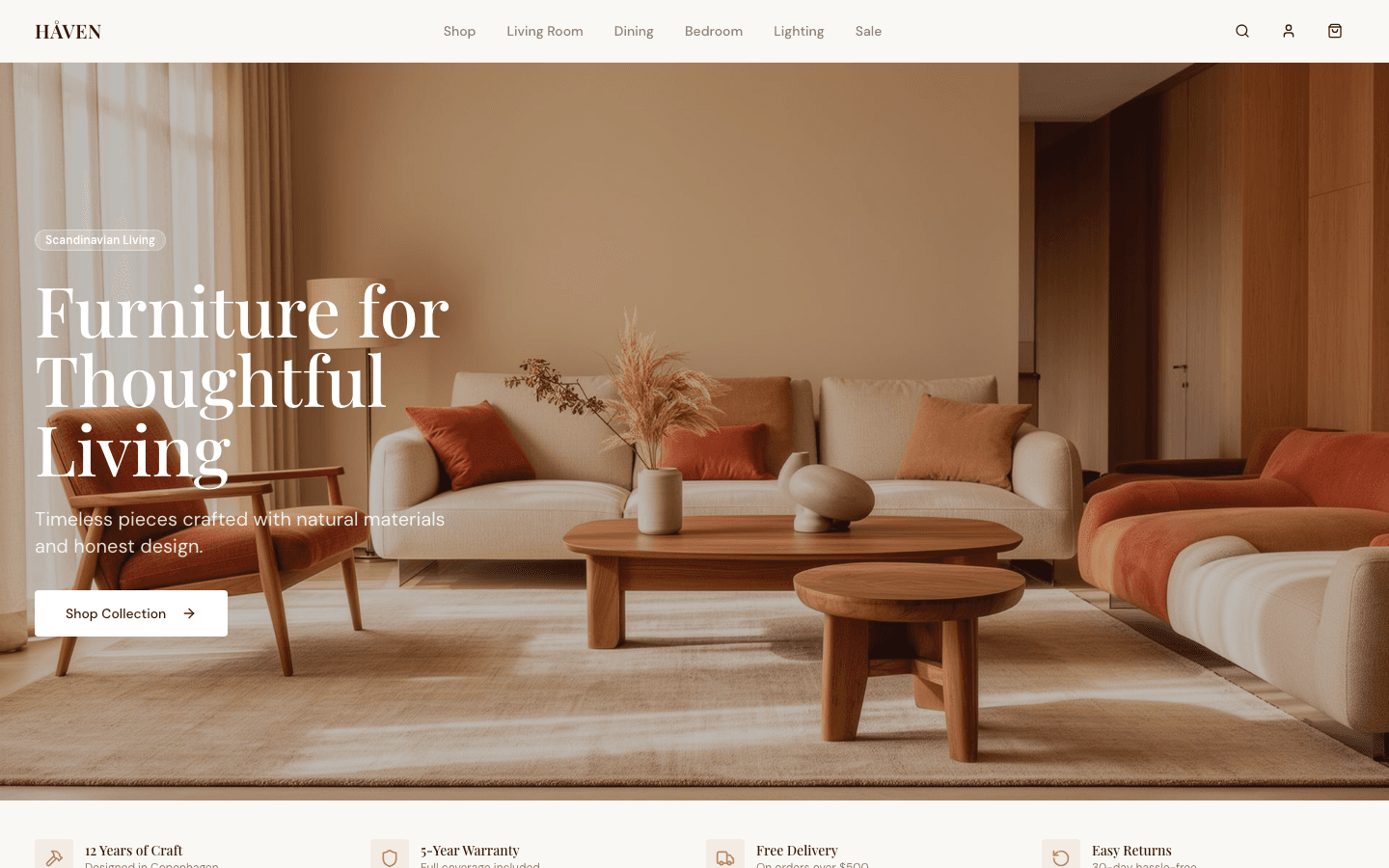
Furniture Store

$49

An elegant furniture and home furnishing e-commerce app with a design-forward Next.js storefront for SEO-optimized product pages and server-rendered category browsing. Alternative framework and mobile ports are available on demand. The visual design emphasizes large product imagery, room-based browsing, and material/color variant selection. Built with Radix UI, shadcn/ui, Tailwind CSS, and Framer Motion for a premium feel. Connects to any headless commerce backend — Medusa JS SDK integration is included. Form handling via React Hook Form with Zod validation ensures robust checkout and account flows. Great for furniture brands, interior design shops, or home decor marketplaces.

★★★★★0 soldExpo · Next.js
PE LIVEecommerce

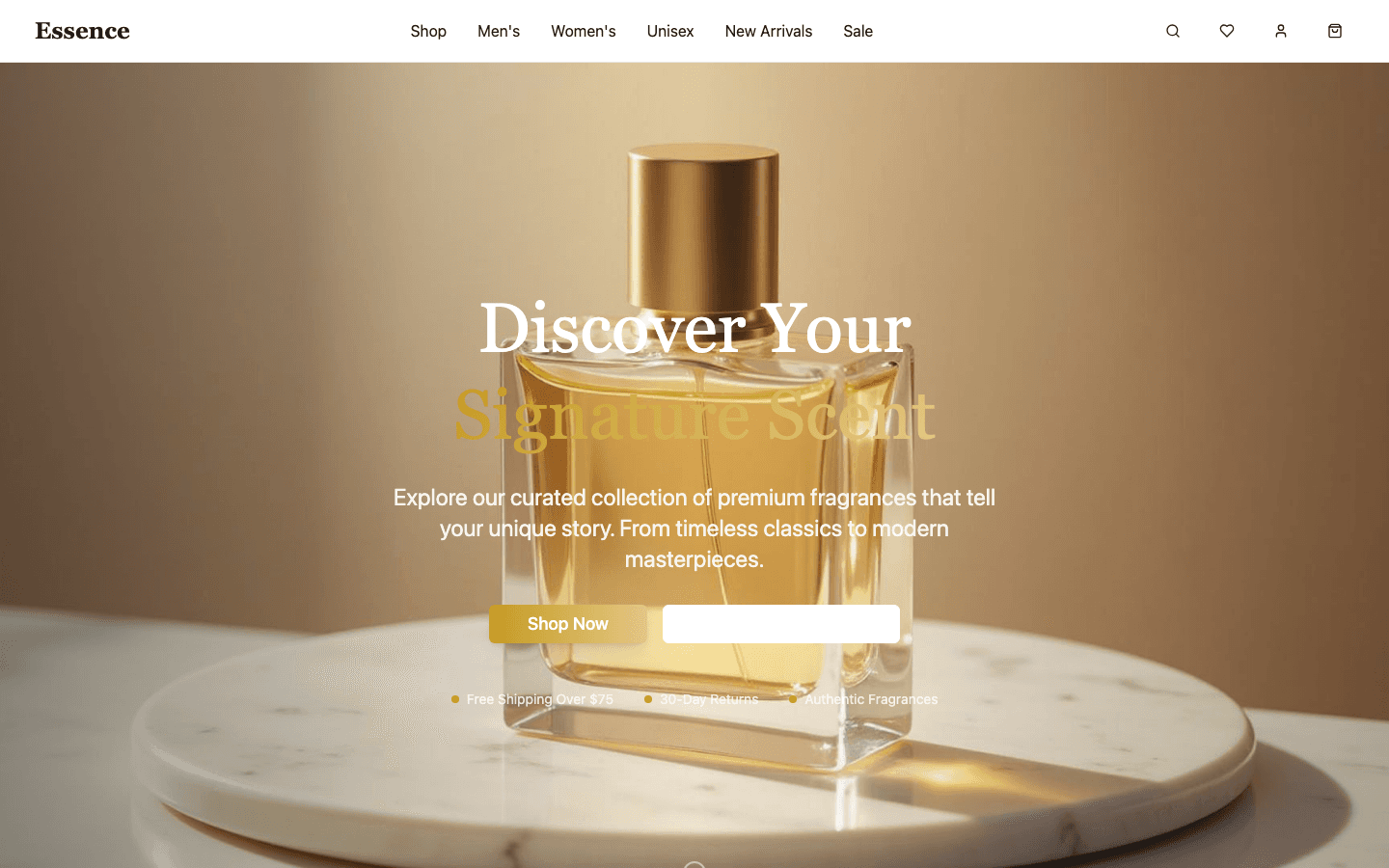
Perfume Store

$49

A luxury-styled perfume and fragrance e-commerce app built for premium brand presentation. The ready-to-buy Next.js storefront features rich product pages with scent profiles, bottle size variants, gift set options, and server-rendered collections. Mobile, backend, and alternative framework ports are available on demand. The design uses shadcn/ui and Tailwind CSS with an elegant, minimalist aesthetic suited for luxury goods. Easy to customize — swap product data, update branding, and deploy. Perfect for perfume brands, fragrance boutiques, or niche scent marketplaces.

★★★★★0 soldMedusa · Expo

Keep reading — popular AI & LLM Apps guides on MVPHub.

All AI & LLM Apps articles

Explore other MVP verticals

MVPHub publishes templates and guides for ecommerce, SaaS, marketplaces, AI apps, booking platforms, subscription stores, directory sites, and more. Here are fresh picks from other verticals.